‘Martial Arts Is In My Blood’ – Har Ling Om Draws On Lethwei Roots Ahead Of ONE SAMURAI 3
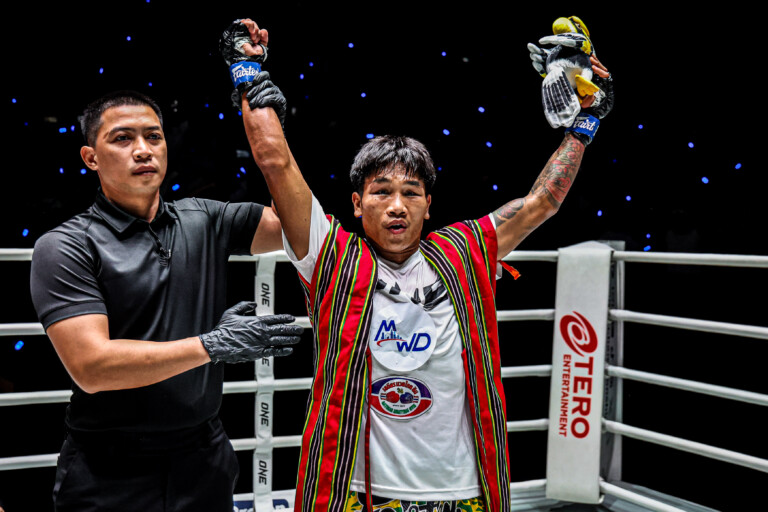
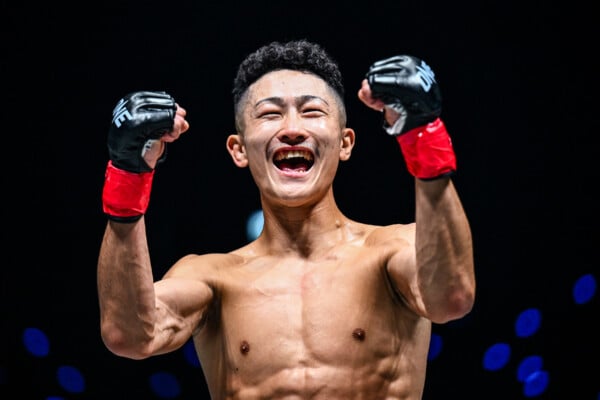
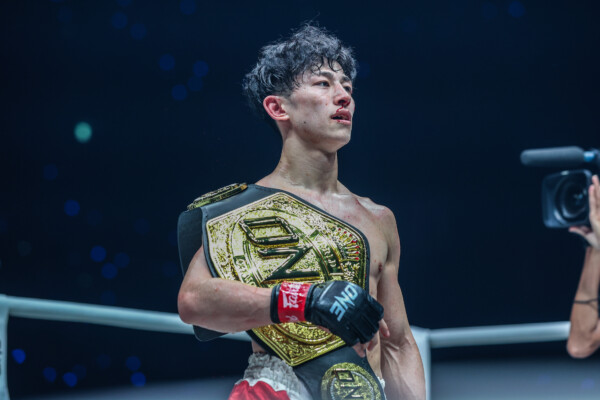
Myanmarese striker Har Ling Om is one win away from the biggest statement of his career.
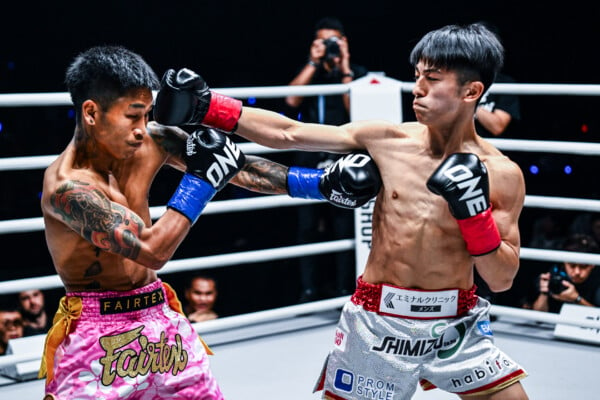
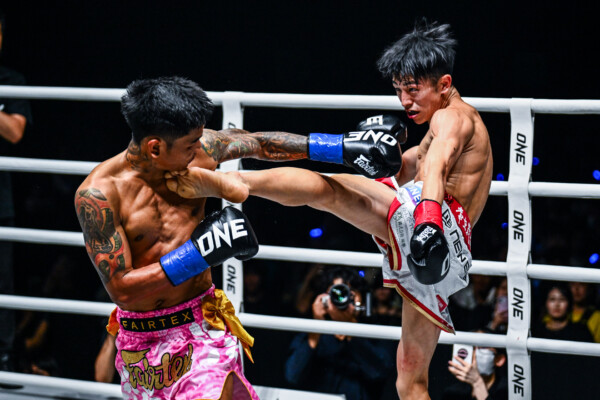
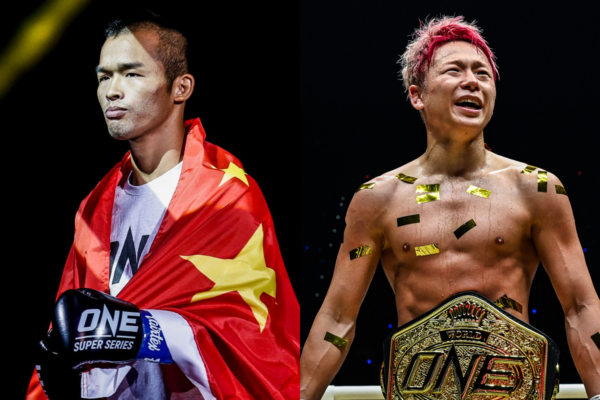
The 28-year-old headlines ONE SAMURAI 3 against reigning ONE Atomweight Muay Thai World Champion Nadaka in an atomweight kickboxing clash. The highly anticipated event broadcasts live this Saturday, September 12, from Yokohama Buntai in Yokohama, Japan.
Long before headlining international events, his path began far from the bright lights, rooted in Myanmar’s oldest combat tradition.
He began competing in Lethwei at just 15 years old, and within a year, he was already testing himself at the regional and state levels against the best his country had to offer.
Diving in at that level so young was no accident. Growing up, Har Ling Om found himself drawn to the sport, and a handful of legendary names paved the way.
He reflected:
“Martial arts is in my blood. That’s why I chose this career. I started fighting in Lethwei because I watched matches by our country’s legends, like Tway Ma Shaung and Sayar Saw Nga Man.
“So, I decided to pursue a Lethwei career. I admired them, and that inspired me to start fighting in Lethwei.”
Few names carry as much weight in Lethwei as those two. Tway Ma Shaung built his legacy by taking on heavier opponents and grinding them down, earning a reputation as one of the toughest competitors his country ever produced.
Sayar Saw Nga Man stood as a national titleholder in his own right. His back-and-forth battle against Tway Ma Shaung in 2013 is still remembered as one of the finest contests in Lethwei history.
Watching those two on Myanmar’s biggest stages lit a fire in Har Ling Om, but it was ONE Hall of Famer and former two-division ONE MMA World Champion Aung La “The Burmese Python” N Sang who pointed him toward ONE Championship.
He explained:
“Ko Aung La is one of the fighters I admire very much at ONE. He is famous globally. I will try to become like him one day. I really admire him. He was famous both nationwide and worldwide, so I admire him a lot. I will try my best to become a ONE belt winner like him.
“Also, I saw other Myanmarese fighters competing in ONE. They earn a lot of bonuses, and that motivated me to compete in ONE.”
That admiration has translated into steady progress since Har Ling Om joined the world’s largest martial arts organization.
He picked up his first win against Haruyuki Tanitsu at ONE Friday Fights 129 last year, then followed it up with a victory over Khunsuk T1 Fight Academy at ONE Friday Fights 149 this past April.
Each performance has shown a fighter growing more comfortable and well-rounded. The 28-year-old is now eager to keep that momentum going in search of a coveted US$100,000 main roster contract.
The Phyo Wai Group affiliate added:
“My goal right now is to get a contract at ONE, and I am trying my best to get one. After getting a contract, I can aim for the World Title belt. But getting the contract is my first goal. My second goal is to win the belt.”
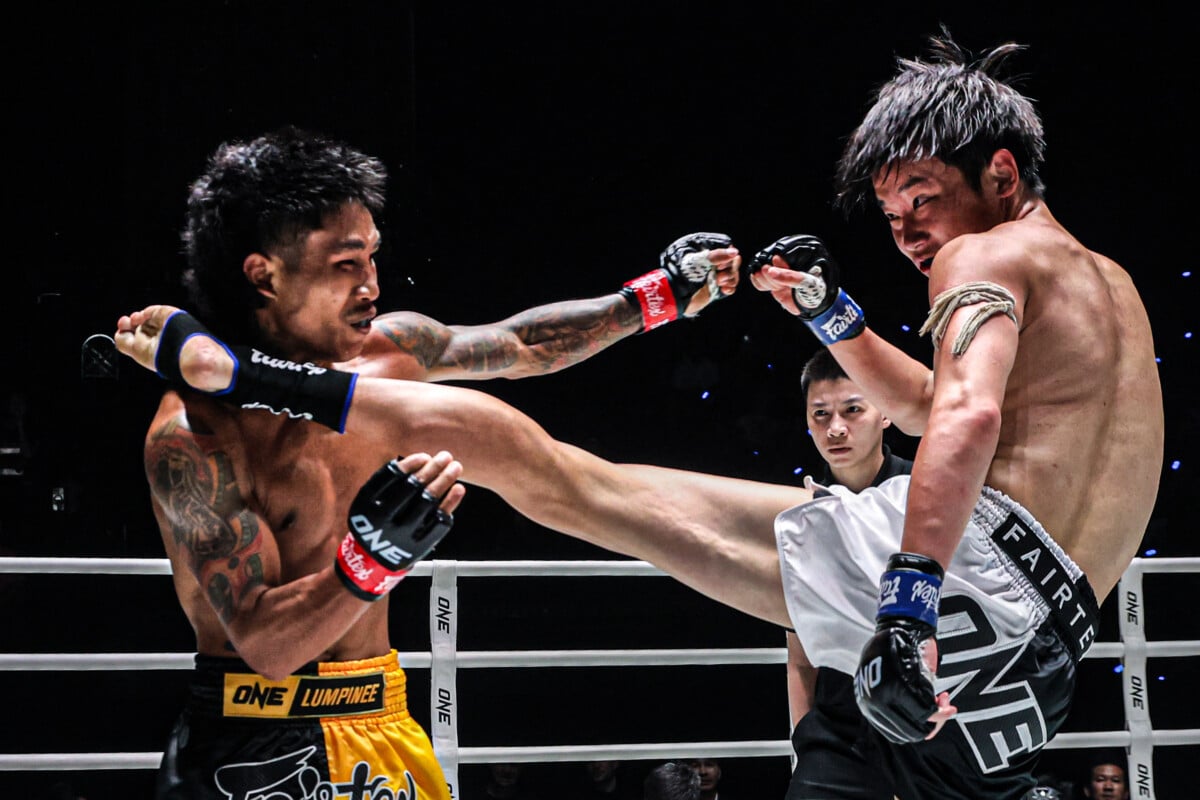
Har Ling Om On What Sets Myanmar Fighters Apart
The hunger Har Ling Om possesses runs through an entire generation of Myanmar athletes, and he believes it sets them apart from the rest of the world.
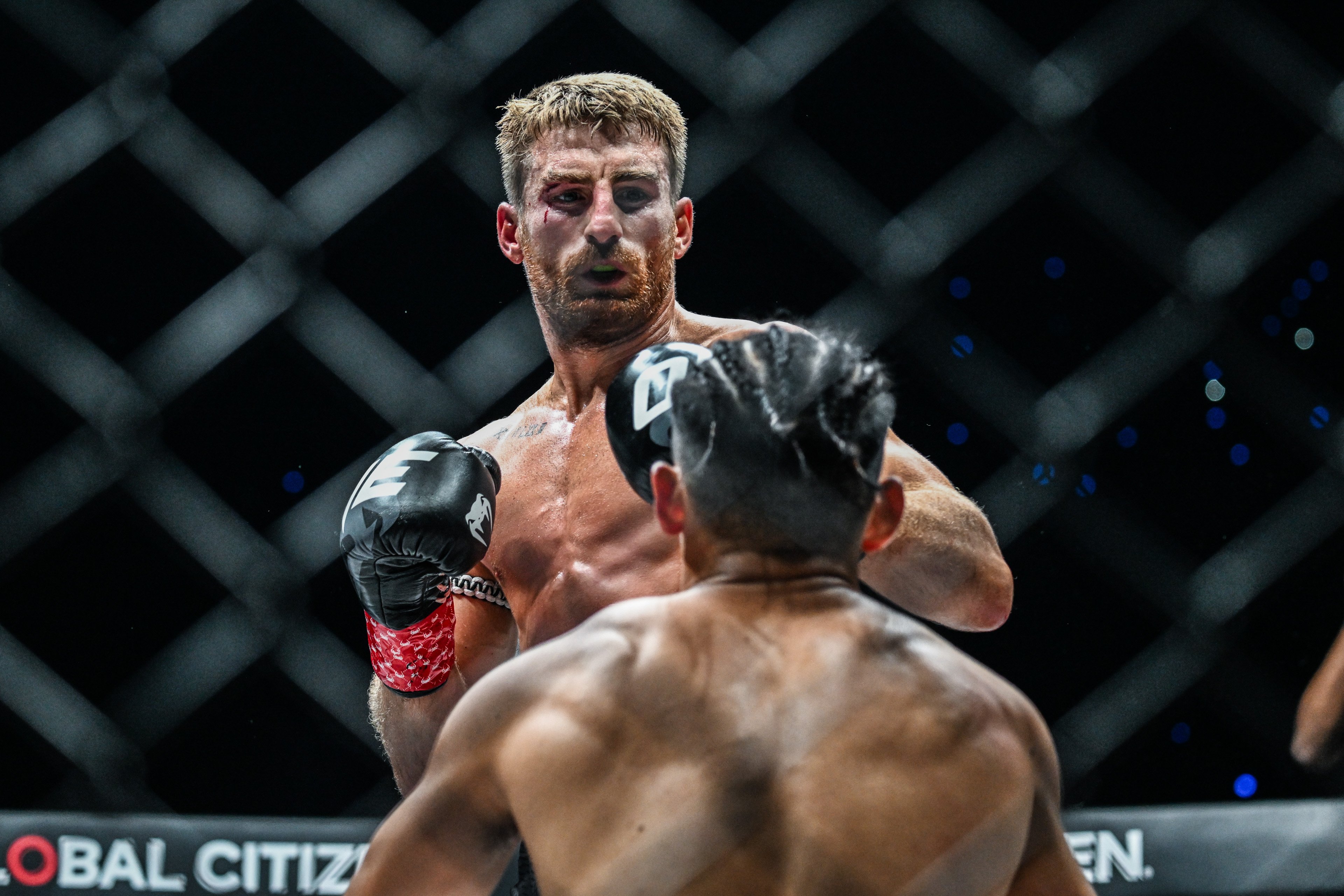
Lethwei lacks the protections found in other striking disciplines. Generations of fighters from his country have learned how to absorb strikes and keep pushing forward regardless of the circumstances.
Carrying that hardened outlook into every fight, Har Ling Om reduces his approach to something far simpler than a game plan once the bell rings.
He explained:
“I think we can say that our mentality is very strong. When it comes to mentality, we are no less than others. Compared to fighters from other countries, Myanmar fighters possess a stronger mentality.
“Once the fight begins, I must beat them. If I don’t beat him, he will beat me. I have to do everything I can to beat him. It’s just about fighting Lethwei and beating opponents.”
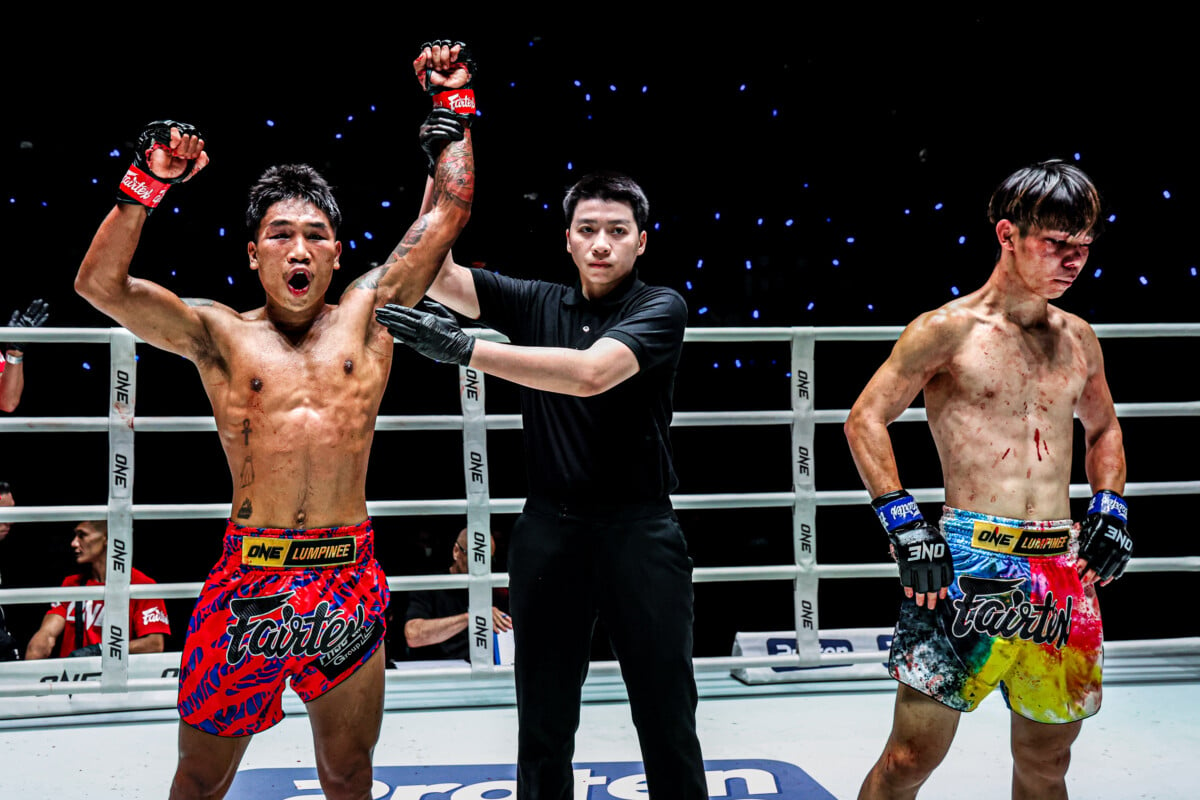
Built on instinct and toughness rather than a scorecard, this mindset has served Myanmar fighters well for generations. Stepping onto the global stage, however, introduces a challenge that Lethwei never prepared him for.
Har Ling Om does not shy away from naming that challenge, or the disadvantage it creates against athletes raised entirely within a scoring system.
He concluded:
“Since we Myanmar fighters have always fought with our toughness, competing against fighters from other countries, who have always played under the point-based system, becomes a disadvantage for us.”