‘It’s Like Pet Therapy’ – How Ayaka Miura’s Rabbits Chataro And Kinako Make Her A Better Mixed Martial Artist
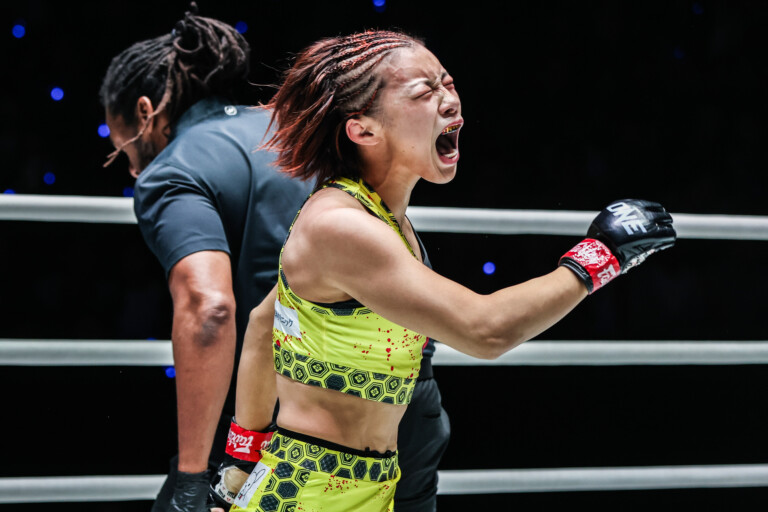
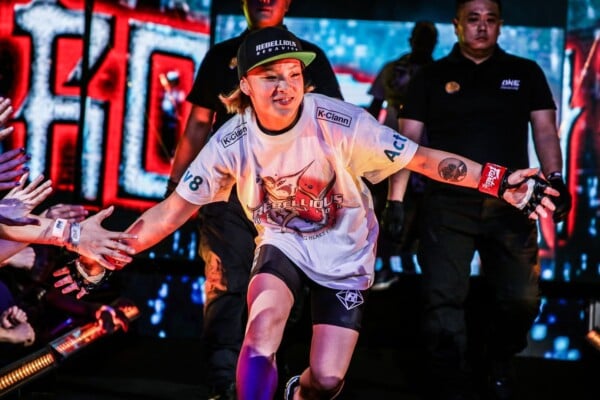
When Ayaka “Zombie” Miura returns home after a grueling training session, she doesn’t find motivational speeches or fight footage waiting for her.
Instead, she finds Chataro and Kinako, two rabbits who couldn’t care less about title aspirations and mostly just want expensive apple slices.
Miura will make her highly anticipated return to the ring in an atomweight MMA clash against Chihiro Sawada at ONE SAMURAI 1, live from Tokyo’s Ariake Arena on Wednesday, April 29, and while her preparation at Tribe Tokyo MMA can be intense, her two floppy-eared residents instantly calm her down.
For the Japanese contender, who is nearing a crack at the ONE Women’s Atomweight MMA World Title, these furry companions represent something more valuable than any training partner could provide.
These rabbits are pure, uncomplicated relief from the mental weight of professional competition, and that is something Miura absolutely treasures.
The “Zombie” talked about that, and much more, to onefc.com.
The Compromise That Changed Everything
Not every fighter gets the animal companion they originally wanted. Miura’s path to rabbit ownership began with disappointment and parental intervention, a childhood desire for canine companionship repeatedly denied by practical reality.
Her parents believe she lacked the capacity to properly manage a dog’s demands. Seeking any alternative, the family explored smaller options until her father proposed hamsters as a reasonable middle ground between her wishes and their concerns.
Miura said:
“I wanted a dog, but I was told I wouldn’t be able to take proper care of one. So, we wanted some kind of animal, and my dad suggested a hamster. But right at that moment, my mom saw something in the news about a person who got bitten by a hamster and got sick. So, as a compromise, we went with a rabbit.”
That childhood experience established familiarity with rabbit care that proved invaluable years later. When the COVID-19 pandemic created unprecedented isolation and she felt the pull toward animal companionship again, Miura already possessed the knowledge necessary to provide proper homes for cotton-tailed creatures in need.
A foster program offered exactly what she was seeking – rabbits needing placement with someone who understood their specific requirements. Her elementary school experience made the decision natural rather than experimental, a return to something comfortable rather than a leap into unknown territory.
She said:
“The current ones I actually got through a foster program. Because I already knew how to care for them from back then, it felt natural to take them in.”
When The Small One Becomes The Boss
The naming process revealed Miura’s appreciation for traditional Japanese aesthetics. Chataro received his designation through simple observation: his brown coloring combined with Miura’s desire to incorporate “taro” into a male name created an obvious solution.
Kinako followed similar logic, her fur inspiring a classic Japanese name. The pairing reflects a deliberate choice toward old-fashioned naming conventions, creating a matched set that sounds cohesive when spoken together.
Miura said:
“I wanted to add ‘taro’ to the boy’s name, and since he’s brown, he became Chataro. Kinako is also mostly brown, but I wanted a Japanese-style name with ‘ko’ at the end. Old-fashioned Japanese names – that was the theme.”
But names tell only part of their story. The real entertainment comes from watching their relationship dynamics shift over time, from Chataro’s initial dominance to Kinako’s eventual supremacy despite her smaller stature.
Chataro projects toughness while harboring deep anxiety underneath. His athletic incompetence defies every rabbit stereotype. Rather than graceful leaping, he delivers constant slipping and failed jumps that undermine any attempt at appearing coordinated.
Yet he possesses enough food awareness to recognize Miura’s morning routine signals incoming treats, bounding over with enthusiasm that almost compensates for his general clumsiness.
Kinako started as the subordinate, but she gradually asserted complete control. She literally walks over Chataro now, her smaller frame containing greater psychological strength that completely reversed their original hierarchy.
Miura said:
“Chataro is a scaredy-cat. He acts tough, but he’s a nervous wreck underneath. Kinako … at first, Chataro used to boss her around, but now the tables have completely turned. She walks all over him now, literally. Kinako is physically smaller, but she’s the stronger one. The girl definitely runs things.”
Expensive Apples And Epsom Salt Baths
The post-training ritual follows predictable patterns. Miura soaks in an Epsom salt bath first, allowing heated water to ease physical strain accumulated through hours in the gym. While submerged, she reviews that session’s video footage, analyzing technique with the detachment that only exhaustion provides.
Then come the rabbits. Not demanding walks or complex care routines, just simple affection and perhaps some premium treats. Their semi-free-range existence around her apartment requires minimal maintenance beyond cuddles and occasional snacks.
Miura said:
“First thing I do when I get home is take a bath – an Epsom salt soak. Then, I lie there and watch back the video from that day’s training, just zoning out.”
Travel creates temporary separation anxiety managed through modern technology and family assistance. Rather than stress the rabbits with transport, her father travels to her residence, maintaining their comfortable environment while she competes abroad. A pet camera provides visual connection when distance makes physical presence impossible.
The financial reality of rabbit ownership reveals itself through treat purchases. Nine-hundred-yen apples for animals who don’t comprehend monetary value. Premium snacks that exceed her own food budget on a per-item basis. But compared to dog ownership costs, she justifies the extravagance as reasonable spoiling within an otherwise economical pet arrangement.
She said:
“I end up buying really expensive treats. Their snacks cost more than mine sometimes, like 900 yen for an apple. Why am I spending 900 yen on an apple? But since they don’t cost much to keep compared to a dog, I end up spoiling them with the good stuff.”
Lucky Rabbits And Hypothetical Matches
The therapeutic value extends beyond simple companionship. Miura recognizes documented research suggesting animal presence creates genuine relaxation effects, providing mental space that accelerates recovery and sharpens focus when training resumes.
Whether scientifically proven or personally perceived, the rabbits serve a function beyond entertainment. They create psychological distance from competitive pressure that allows her mind to reset completely.
Miura explained:
“It’s like pet therapy, I think. I’ve read that having animals around has a relaxation effect. It gives you more mental space. I think it helps me recover and refocus on martial arts more easily.”
But what if these therapy animals entered the ONE proving grounds themselves? The hypothetical matchup reveals everything about their contrasting abilities. Chataro’s complete lack of coordination eliminates striking as viable strategy – only grappling could hide his terrible athletic foundation. Kinako’s dominant attitude and proven superiority would translate directly into competition.
The outcome seems predetermined. Kinako wins decisively, just as she wins every interaction in their shared living space. Size means nothing when one fighter possesses genuine toughness while the other merely performs it.
As for their perspective on Miura herself? She harbors no illusions about deep emotional bonds. Rabbits don’t attach like dogs do. They probably view her primarily as the person who leaves periodically and then returns with premium treats purchased through mysterious means.
She said:
“I don’t think rabbits get attached in the same way. I honestly wonder if they even recognize me as their owner. I think they’re just like, ‘Go earn us some money.’ That’s about it.”