The Myth Behind The Moniker: Luo Chao Reveals The Legendary Origin Of ‘The Handsome White Dragon’
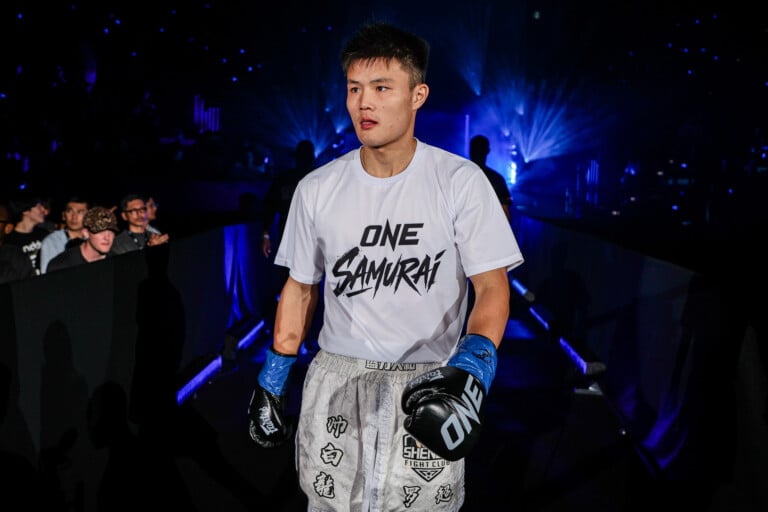
Long before he took on the fight name of “The Handsome White Dragon,” Luo Chao was simply an ambitious kid in China navigating the ancient traditions of his homeland.
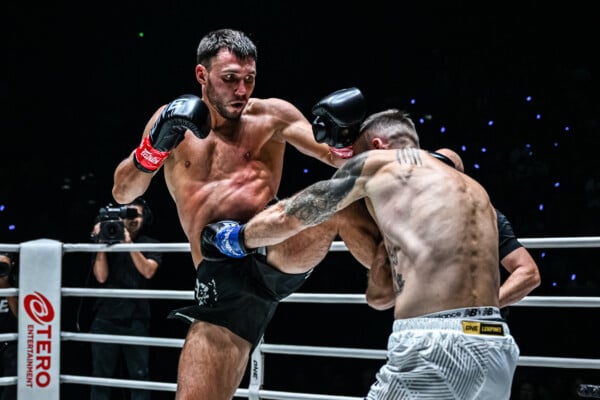
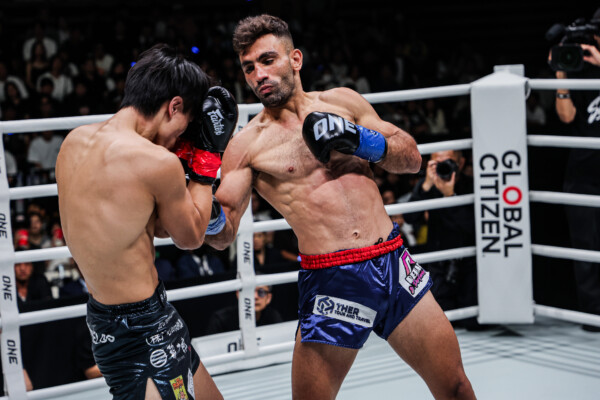
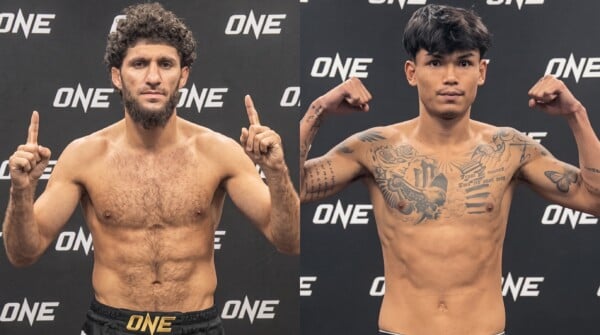
That journey, and the identity it created, now travels with him into one of the biggest tests of his career. Luo faces former ONE World Title Challenger Marat Grigorian in the ONE SAMURAI Featherweight Kickboxing Tournament semifinals at ONE SAMURAI 4 on Saturday, October 17, live from Tokyo’s Ariake Arena.
For thousands of years, the martial traditions of China have balanced aesthetic beauty with lethal efficiency. Growing up in Nanchang, Luo was like any kid drawn to the arts. Eventually, he was forced to choose between a path built on acrobatic, theatrical pageantry or one forged in raw, full-contact realism.
For Luo, it was always the latter. The craving for tangible impact and the grit of stepping into genuine combat pulled him in completely, and he never looked back.
The Shengli Fight Club representative said:
“Sanda is the national martial art in China. If you want to go to a martial arts school, you basically have two choices, which are sanda and wushu.
“I think wushu is more of an act, while sanda is for fighting, so I chose sanda.”
That bold decision set off a rapid ascension through the country’s competitive regional amateur circuits, where the young dreamer established himself as a bona fide force. But soon enough, he ran into a hard truth, since his beloved discipline offered no real professional pathway forward.
Refusing to abandon his dream of martial arts glory, Luo made the calculated leap toward the world of professional kickboxing. What began purely out of necessity soon revealed itself as a natural fit.
He said:
“I won most of the medals fighting sanda amateur tournaments, and as I aged I needed to move up to the professional [ranks], but the thing is there isn’t any sanda pro league. So as a sanda athlete, it’s better for you to start training kickboxing.
“There isn’t a big gap between sanda and kickboxing. The only thing that’s hard to adjust is the scoring system, which changes the whole system of training.”
Kickboxing felt like home for Luo instantly. Far from a hindrance, sanda’s emphasis on rapid level changes, punishing body kicks, and dynamic lateral angles allowed him to disrupt orthodox strikers with rhythm few had seen before.
Rather than stay tethered to the comforts of early success, his relentless appetite for reinvention paid massive dividends. That courageous gamble not only saved him from athletic obscurity but delivered him onto ONE’s world stage, where he now rides a red-hot six-fight winning streak.
The 25-year-old powerhouse said:
“I believe a sanda background gives you an advantage in footwork and speed. It helps me to control the pace against my opponent.
“If I stuck to sanda rather than switching to kickboxing, I guess I would be a nobody now.”
How The Myth Of ‘The Handsome White Dragon’ Was Born
Interestingly, the crucible of sanda did not merely gift Luo Chao a lethal striking foundation. It also inadvertently endowed him with one of the coolest and most memorable monikers in modern combat sports.
The lighthearted origins trace back to a simple registration desk — the kind of moment most competitors barely remember. A mentor’s spontaneous, casual joke, though, stuck with Luo long after the initial giggles faded.
“The Handsome White Dragon” said:
“It was given by my coach, back when I was fighting in an amateur tournament as a teenager, where they need you to sign up with your nickname.
“I didn’t really react to it too much. For me, the nickname is just entertaining.”
Behind the playful backstory lies a far deeper spiritual and cultural reverence that transcends modern combat tropes. While Western interpretations often view the dragon as a ferocious beast of destruction, Eastern tradition venerates the creature as a sacred, benevolent deity offering protection and fortune.
That ancestral symbolism takes on profound personal weight now. As he prepares to call on that same fortune against Grigorian on October 17, it may prove to be the spiritual armor that carries him through.
The ONE SAMURAI Featherweight Kickboxing Tournament semifinalist concluded:
“This is the type of nickname that appears in a lot of Chinese martial arts novels. It’s quite regular. I guess it suits me cause I’m tall and slim, plus my skin is pretty white.
“The Chinese dragon is quite different from the West. It’s more of a symbol of a god. So with dragon in my nickname, it’s more like wishing for a blessing from the dragon.”