‘I Was Really Scared’ – Inside Ryohei Kurosawa’s Journey From Shy Karate Kid To The Global Stage
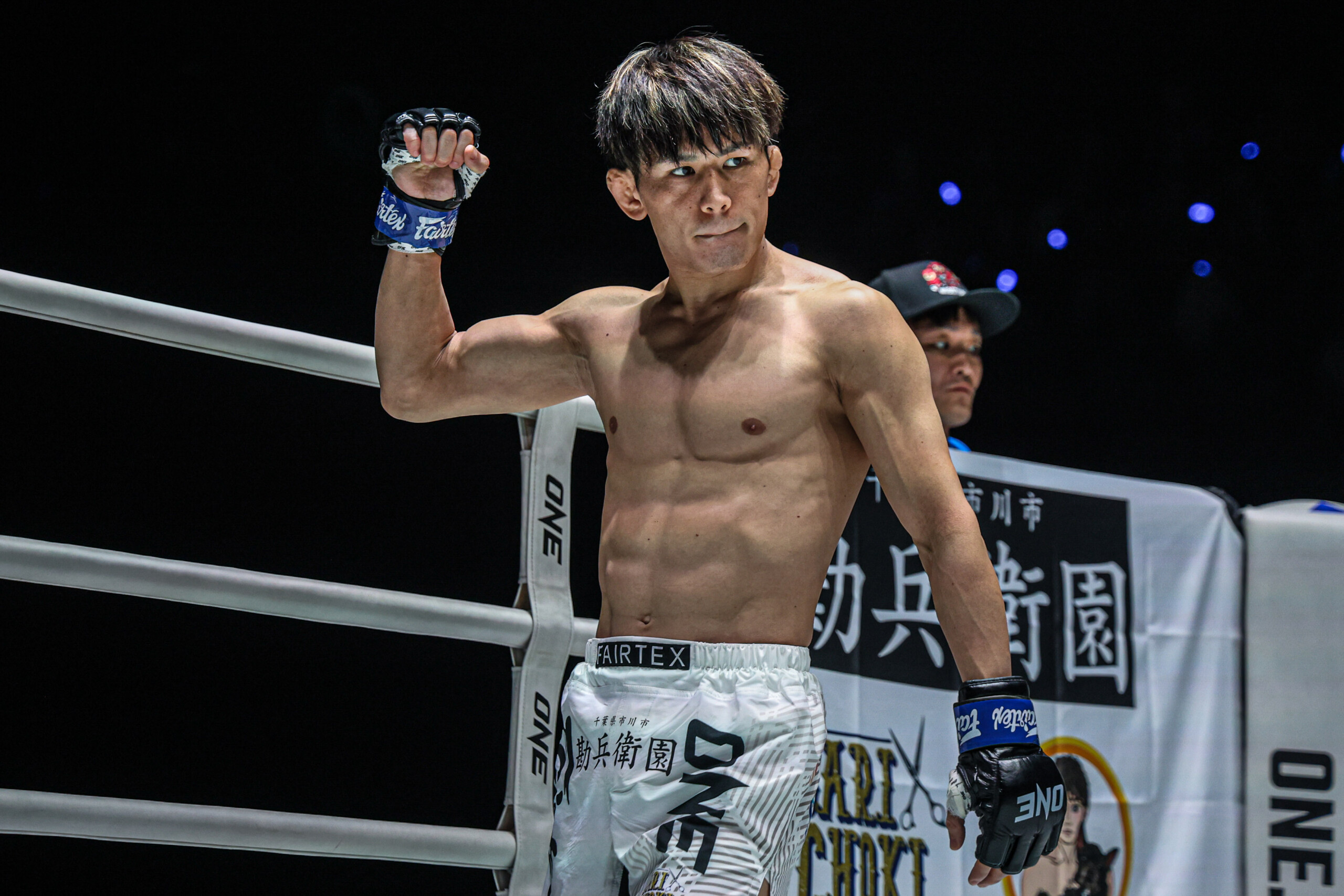
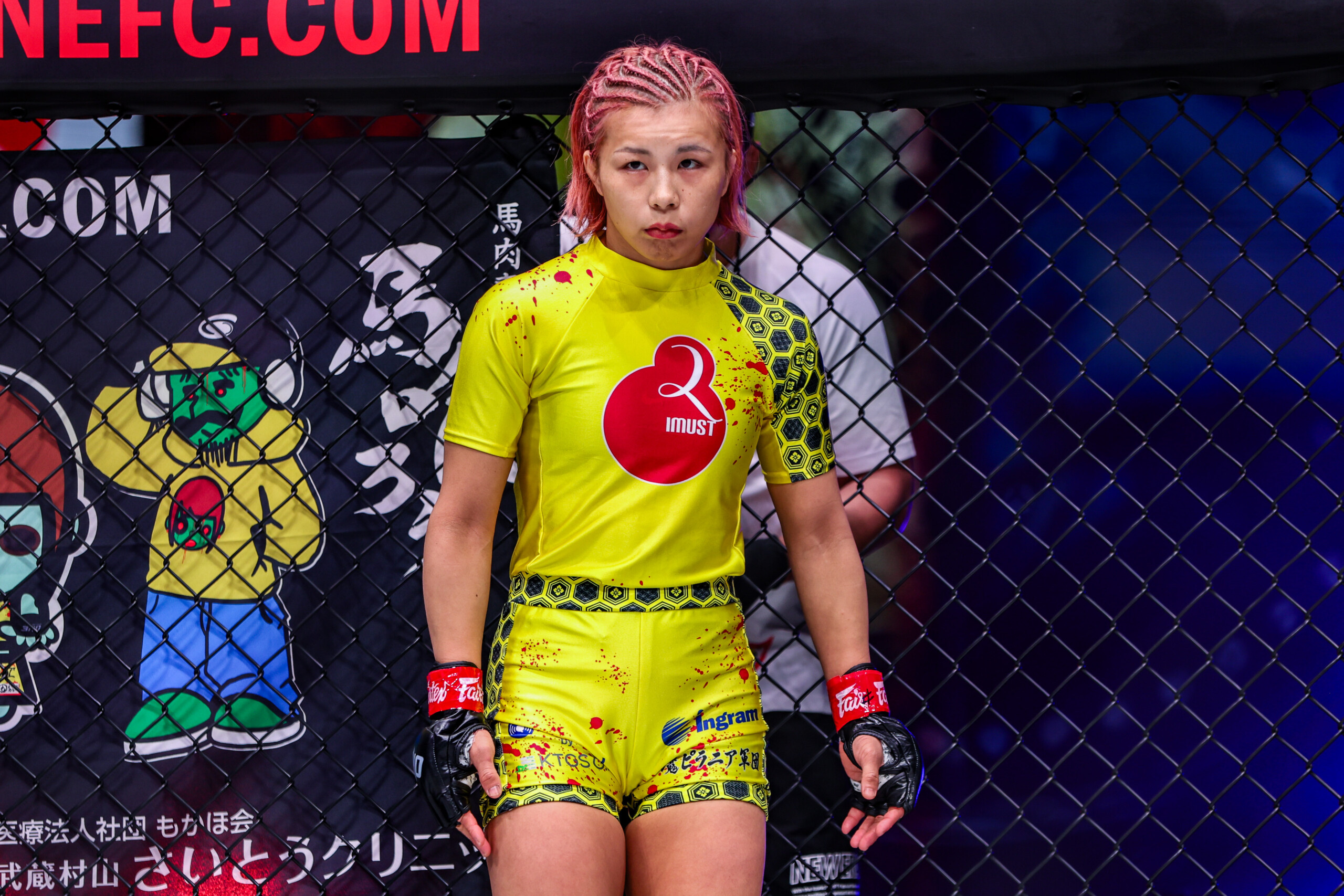
For most of his life, Ryohei Kurosawa has been chasing greatness one disciplined step at a time. Now, the Japanese martial artist stands on the verge of the biggest opportunity of his career yet.
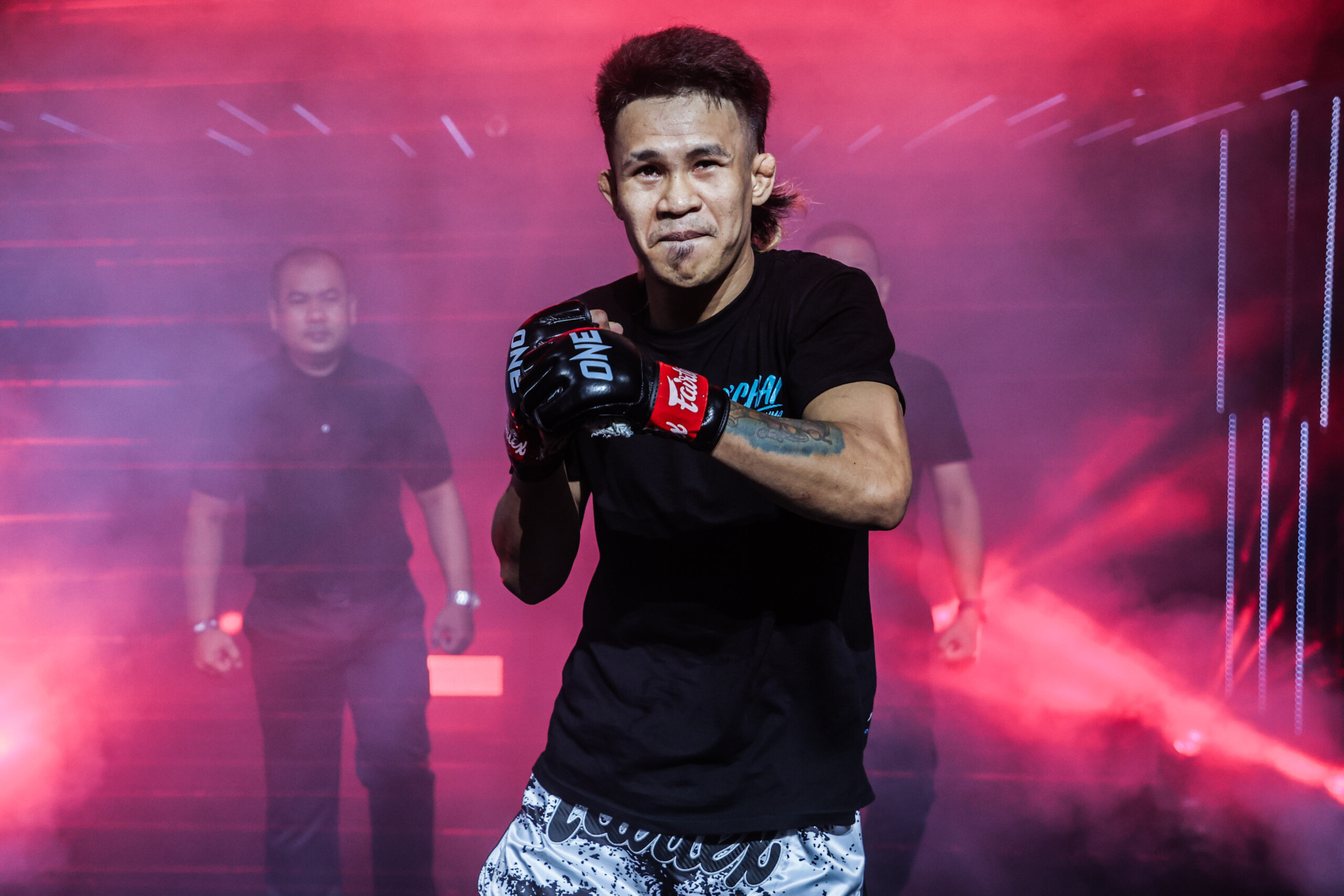
The 32-year-old will return to the ring to take on Bokang “Little Giant” Masunyane in a pivotal strawweight MMA clash at ONE Fight Night 39: Rambolek vs. Dayakaev on Prime Video, which will be broadcast live in U.S. primetime from Bangkok’s legendary Lumpinee Stadium on Friday, January 23.
He carries a formidable 20-4 record and arrives to the global stage riding a six-fight winning streak. Another big win over the South African standout would firmly establish the Blackbelt Japan representative as a top name in the division.
Let’s discover Kurosawa’s road to the world stage before he sees action inside the Thai capital this week.
Raised By Hard Work
Ryohei Kurosawa grew up in Matsudo, Chiba — a modest Japanese city where everyday people worked hard to provide for their families.
His father delivered mail for the post office, his mother worked as a caretaker, and both approached their jobs with dedication that would shape their son’s entire approach to life.
Those early observations left an indelible mark, teaching Kurosawa that success comes from relentless effort rather than shortcuts:
“My parents were hard workers. And I used to be so inspired by them, even as a kid, seeing my parents work so hard. So, that’s why I grew up like this…with the same discipline, focus, and confidence in my job.”
The household wasn’t large. It was just Kurosawa, his parents, and two sisters. The siblings spent time watching television together and eventually trained side by side.
His father’s love for martial arts created an environment where combat sports felt natural rather than foreign. Training himself at a local gym and watching MMA broadcasts whenever they aired, his father recognized Kurosawa’s potential early and introduced all his kids to karate.
Kurosawa told onefc.com:
“When I was a kid, my parents were training at the martial arts gym. Also, my dad loved martial arts. So, my parents introduced me to martial arts. And it was my dad who realized that I did have the potential in karate.”
That recognition planted the seed for a professional fighting career.
But at five or six years old, when Kurosawa first stepped onto the mats at a shotokan karate dojo, an unexpected vulnerability emerged. The techniques didn’t frighten him, but what scared him was being in a room with strangers.
He recalled:
“I won’t lie, I was a bit scared of it. I wasn’t scared [of training]. But I was mostly scared of being in a room with other students. I’ve never shared that kind of space with other people before, and maybe that’s why I was really scared about it.”
New Kid On The Block
Ryohei Kurosawa’s introduction to mixed martial arts came from two directions, both leading back to his father’s passion for combat sports.
The first exposure happened sitting beside his dad while they watched Japan’s best. The second came through discovering the very place he still calls home today at 17. Until then, he had focused exclusively on karate.
He shared:
“I discovered MMA through two points. First, it was through my dad’s love for martial arts, and I watched MMA with my dad on television as a kid. Another was when I discovered MMA near my home at a gym, The Blackbelt Japan. This is how I found MMA and fell in love with it.”
At 18, after training for about a year, his teammates who fought professionally sensed that Kurosawa was equipped with the necessary skills to do it himself.
While he initially hesitated, he knew this was something he wanted. The support from his stablemates and self-confidence soon launched his amateur career.
But with no prior experience, the Japanese star felt like a fish out of the water in his debut:
“In my first amateur MMA fight, I was up against someone who hits hard. And I wasn’t used to fighting someone who hits that hard with all sorts of weapons. He attacked my face and my body, and I just wasn’t used to it. But I did well enough to win that fight on points.”
Despite the nervy win, Kurosawa was hooked. He went on to rack up ten amateur fights in the local circuit, each building confidence and exposing weaknesses.
Victories and defeats aside, the young Japanese star started feeling more comfortable whenever he competed. The pre-fight anxiety he experienced in his first few fights slowly diminished.
He started growing in confidence each time he fought, and that directed him into going down the professional path at some point in mid-2012:
“Every fight there really helped me boost my confidence. It was a great learning curve, and it also gave me the belief that I could slowly move into a higher level in MMA.”
From Karate Kid To Knockout Artist
Turning professional marked a pivotal moment in Ryohei Kurosawa’s journey.
While he was pumped to move on to the next chapter of his budding career, the Matsudo native knew he couldn’t solely rely on his karate background to overcome tougher assignments.
He acknowledged that his amateur days revealed an obvious pattern, and it wouldn’t have taken opponents long to read him like a textbook.
The Blackbelt Japan affiliate continued:
“When I first started, given that my background was karate, I only used to focus on striking. Every time my opponent tried to take me down, I tried to defend, and I tried to strike. It was the same.
“But I started building my grappling so I could grapple with opponents. So, I continued to understand and improve as a fighter. Now, I’d say my style is more well-rounded.”
That evolution transformed Kurosawa into a more dangerous fighter. Instead of just picking apart opponents from distance, he learned how to handle takedowns, create submission attempts, and transition between positions — all of which complemented his stand-up toolkit.
Over the years, he built a solid 20-4 resume that includes eight knockouts and three submission victories. During that stretch, he even claimed both the Shooto Flyweight Title and the Pancrase Strawweight Championship, establishing himself as one of his country’s most accomplished fighters.
While he did put opponents to sleep in his early days of competing professionally, it wasn’t until the 15th fight — a 24-second knockout courtesy of a stiffening right overhand — that he realized he could genuinely polish his striking even further, despite being focused on other facets of his game:
“When I fought in Shooto, I think it was around my 15th fight, I knocked my opponent out badly. It was around that time that I realized, ‘Okay, I have a lot of power in my hands.'”
Ready For The World Stage
However, Ryohei Kurosawa’s path has not been without obstacles. Four losses stood out like a sore thumb on his record, each painful, each instructive. The toughest came against Jo Arai — a defeat so decisive it still resonates.
It taught him valuable lessons. He recalled:
“It was my most painful defeat as I lost badly that night. I learned a lot. Every career setback was necessary because it helped me improve as a fighter. I learned a lot about my weaknesses, how I can improve, and so on.”
Learning from his mistakes, Kurosawa improved. His success in Japan eventually impressed the world’s largest martial arts organization. An invitation to ONE Friday Fights followed, and he seized it immediately.
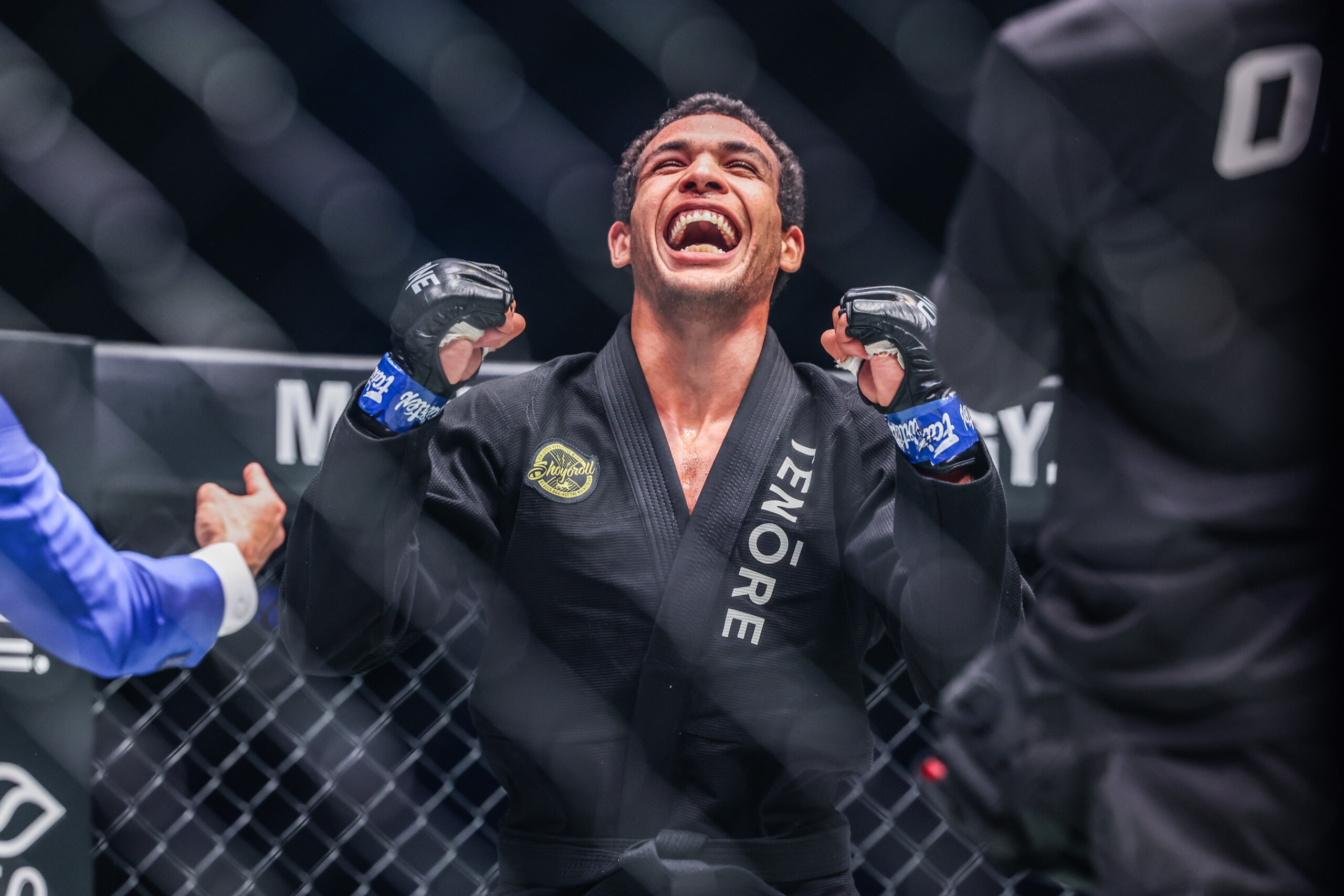
In his promotional bow at ONE Friday Fights 124 last September, the 32-year-old overcame Jayson “Dumagmang Warrior” Miralpez by unanimous decision to take his active winning streak to six in a row.
Though competing on a stage like ONE came with its fair share of anxiety and nerves, Kurosawa admits that excitement overshadowed everything else:
“My debut went as planned. It was a great win, and it proved that my hard work was all worth it. I was very happy.”
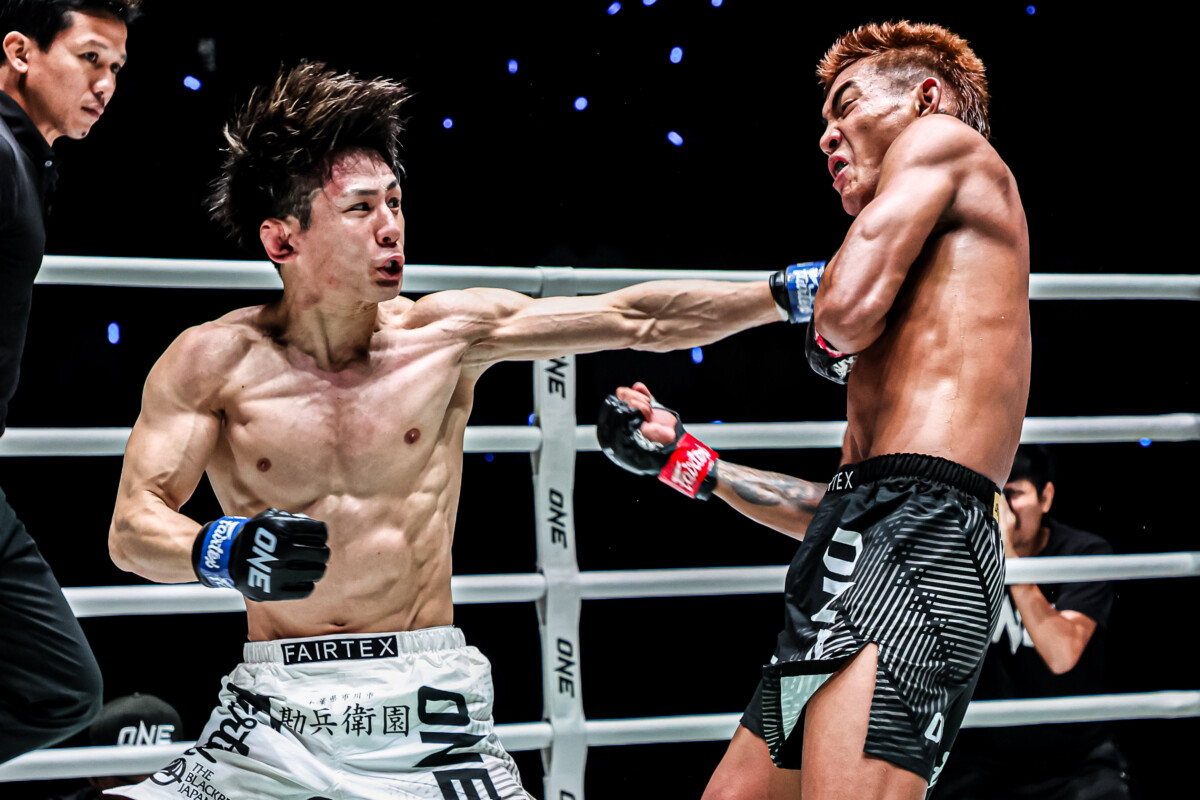
The confidence he displayed that night showed just how far he has come from being the shy child who once feared standing in a room with strangers.
The journey from Matsudo to Bangkok’s legendary Lumpinee Stadium symbolizes years of growth, discipline, and unwavering commitment to excellence.
Now, with Bokang Masunyane standing across from him at ONE Fight Night 39, Kurosawa is thrilled to continue his winning ways. More importantly, he’s out to prove that Japanese athletes can stand among the world’s best:
“It’s my chance to show who Japanese fighters are, and it’s my opportunity to prove that Japanese fighters are the best in the world. I’m grateful for the chance, and I cannot wait to continue fighting against the best fighters to make my name big in ONE Championship.”