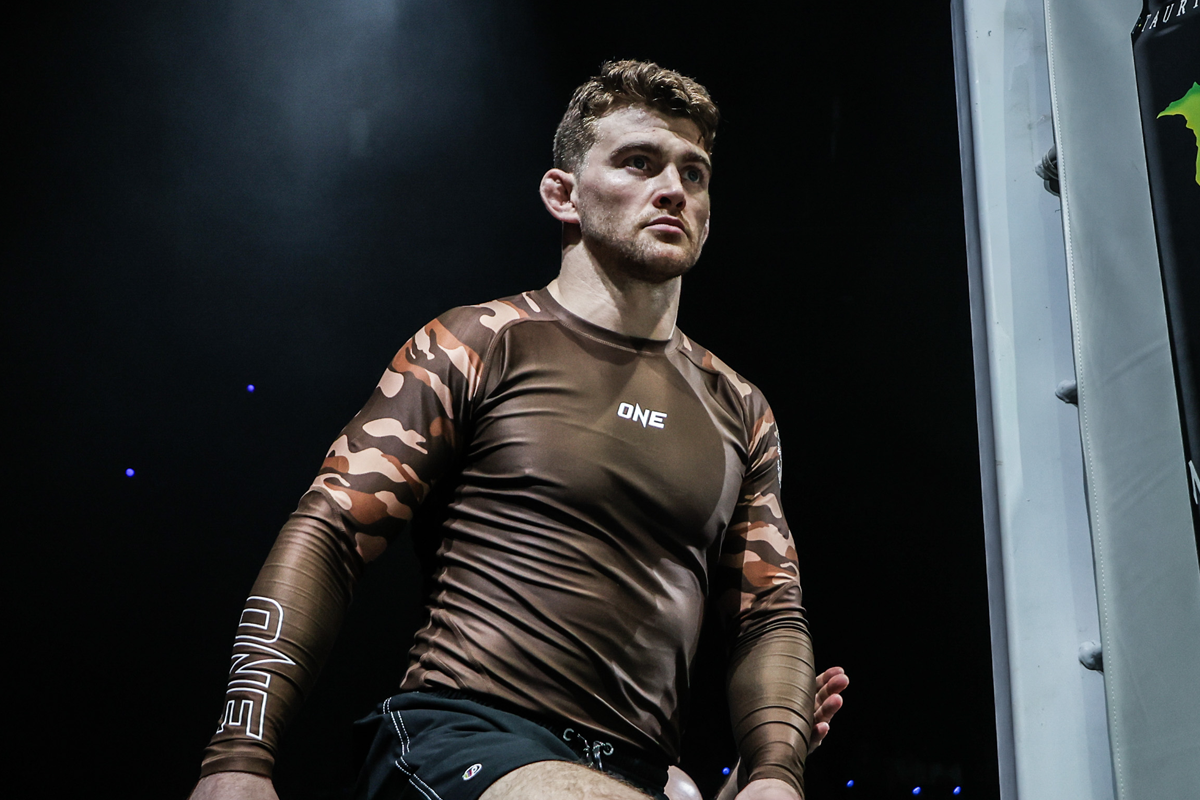
‘Everything My Father Wasn’t’ – How Yuya Wakamatsu Is Rewriting His Family’s Story
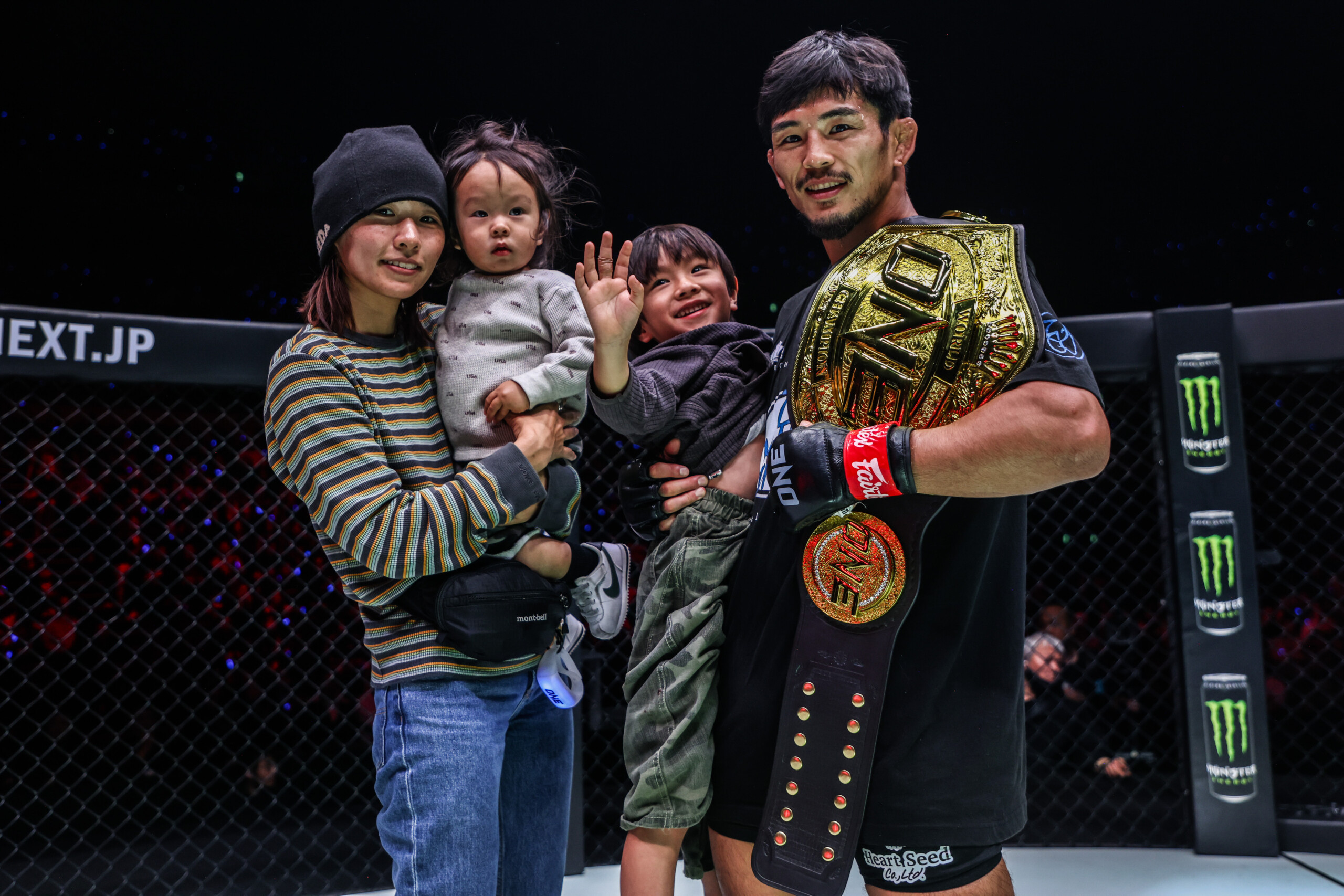
For Yuya “Little Piranha” Wakamatsu, the journey to becoming ONE Flyweight MMA World Champion began not with dreams of glory, but with childhood memories of an absent father who taught him everything he didn’t want to become.
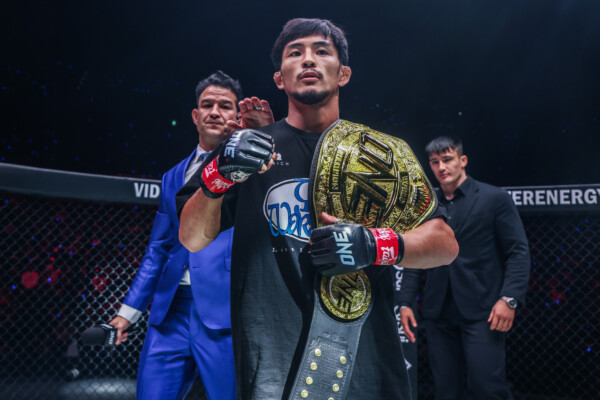
The 31-year-old Japanese superstar, named ONE Championship’s 2025 MMA Fighter of the Year after capturing and defending his 26 pounds of gold with spectacular knockouts, carries those childhood scars into every battle — both inside the ring and in the most important fight of his life: being the father his own never was.
From Japan to the global stage, Wakamatsu’s story reveals how the pain of childhood can become the blueprint for breaking generational patterns.
A Childhood Marked By Fear
Not every child looks back on their father with warmth and gratitude. For Wakamatsu, growing up meant navigating a household where his father’s presence created more anxiety than comfort, where distance replaced connection, and where fear overshadowed love.
His father took no interest in raising him, leaving that responsibility entirely to his mother — a woman Wakamatsu describes with deep affection as someone who never gave up on him. While she provided the nurturing and support every child needs, his father remained emotionally distant, detached from his son’s development.
Wakamatsu said:
“My father was, if anything, not very involved in child-rearing — that type of father. My mother was amazing. She never gave up on me. I really, really love my mother, but my father was, if anything, indifferent.”
The memories that remain from those early years aren’t of playing catch or learning life lessons. They’re recollections of tension, of a child learning to navigate around a parent rather than toward one.
Looking back now as a father himself, Wakamatsu recognizes what was missing and understands the opportunity that was wasted. Childhood is fleeting, a brief window that closes faster than parents realize. His father let that window shut without ever truly looking through it.
He said:
“The memories I have are strong memories of being scared. Out of rebelliousness, I thought when I became a father, the time when they’re children is really only now, so properly raising them carefully is really the father’s duty.”
The Father He Never Had
Out of that childhood pain came fierce determination to create something different for his own children. When Wakamatsu became a father, he made a conscious choice to reject the model his own father provided, to be actively involved in every aspect of his sons’ lives.
Modern Japanese society has evolved significantly from previous generations, with men taking more active roles in child-rearing than their fathers did. But Wakamatsu goes beyond cultural expectations, driven not by obligation but by genuine love for his children and recognition of how precious their childhood years truly are.
The reigning flyweight MMA ruler said:
“I don’t think I have to do it, but I really love children, so I end up doing more because of that too. I value the ‘now’ — really burning those small moments into memory.”
Even during the most difficult period of his career — losing twice consecutively, failing a weigh-in, losing by decision while carrying the pressure of being his family’s sole provider — he refused to let professional struggles diminish his presence at home. When everything seemed to be falling apart and the fear of not being able to support his family through martial arts became overwhelming, he still showed up for his kids.
Now as ONE Flyweight MMA World Champion, successful beyond what seemed possible during those dark days, he remains as committed to fatherhood as ever. He doesn’t view parenting as something to complete when convenient. Even when tired after training, he cherishes each moment.
He said:
“It’s not just a task — even when tired, playing together and such. Compared to other fathers, I’m probably trying harder. I’m confident in that.”
Musashi And Kojiro
The names Wakamatsu chose for his two sons — Musashi, 6, and Kojiro, 2 — reflect the values he wants to instill and the legacy he hopes to build. They’re drawn from legendary warriors featured in Vagabond, a story that profoundly influenced his life philosophy.
The story of Miyamoto Musashi’s pursuit of mastery through martial arts resonated deeply with Wakamatsu as he developed his own career. He saw parallels between the legendary warrior’s journey and his own path, finding inspiration in the discipline and dedication that defined Musashi’s life.
He said:
“The children are called Musashi and Kojiro. The names are taken from swordsmen, from Vagabond, the story of the swordsman Miyamoto Musashi. I want them to grow up to be strong children.”
By naming his sons after these figures, Wakamatsu expresses his hope that they’ll develop resilience in character and spirit. He teaches them not to waste food, to show proper manners and respect, to greet people correctly. These aren’t just social niceties but expressions of bushido principles applied to everyday life.
His sons watch him train, see him compete, observe how he carries himself as a ONE World Champion. The lessons come more through example than lecture, through watching their father’s behavior and absorbing his values as they grow.
He said:
“Right now they’re still children, so even if I say it in words, they probably won’t understand. But watching fights, being by their side, they’re definitely understanding. When they see it, someday they’ll understand.”
Hands That Hurt, Hands That Heal
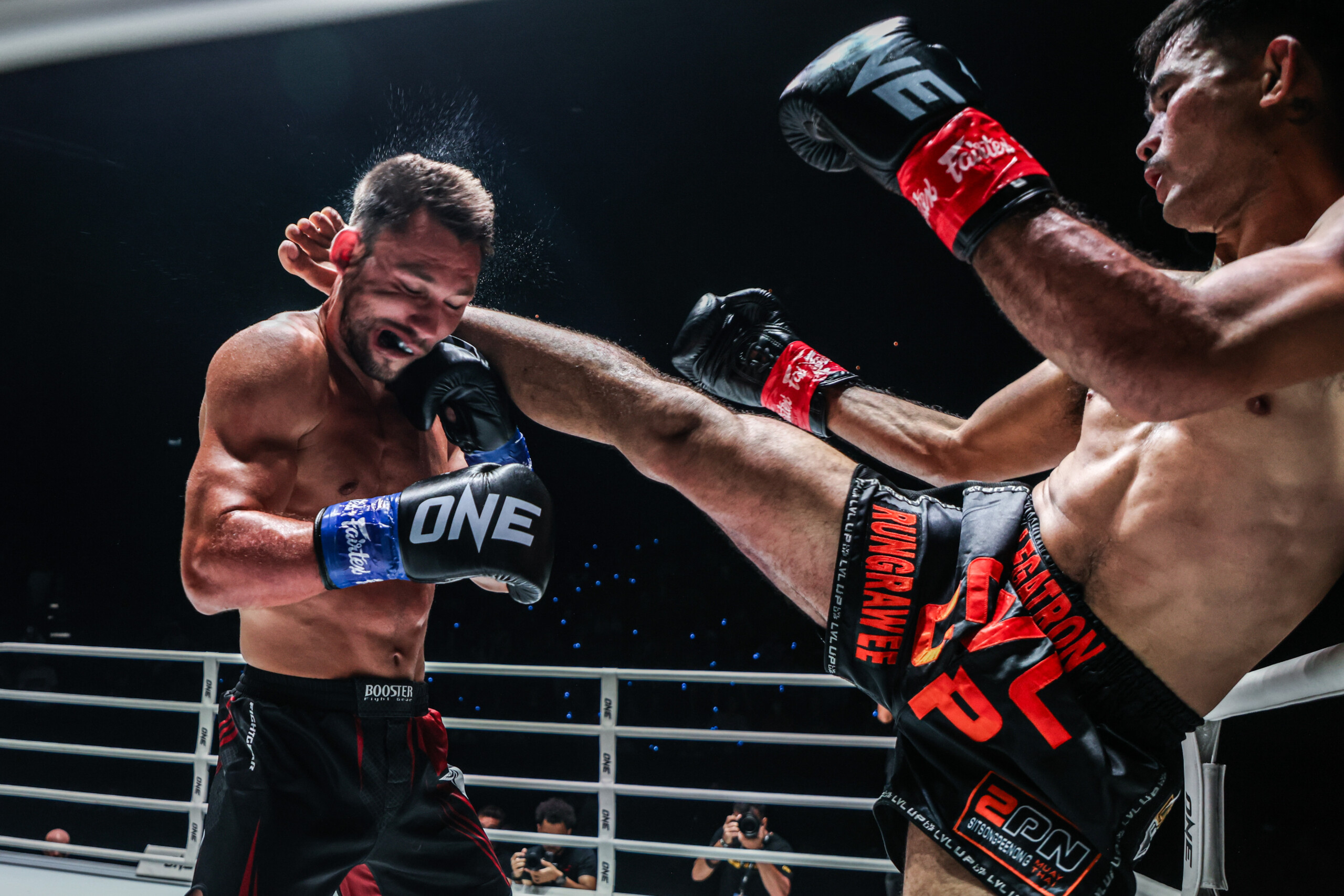
The paradox of Wakamatsu’s existence lives in his hands — the same weapons that deliver first-round knockout power to claim championship gold also gently hold his sons, play with them, care for them with tenderness that contrasts starkly with the damage they inflict in the ring.
This contrast isn’t accidental but carefully cultivated through his philosophy of Eastern balance, of opposing forces, of understanding that intense action in one direction requires equally powerful counterbalance in the other. He can’t be just a destroyer or just a nurturer — he must be both.
Wakamatsu said:
“I really value yin and yang — light and shadow. That duality I’m always conscious of even in fighting. By the amount I beat down opponents, doing quite extreme things — if I don’t properly do the opposite of that, I won’t get to the middle.”
How much he beats down opponents in the Circle determines how much opposite energy he must invest at home. It’s not about guilt or compensation but about equilibrium, about understanding that to remain centered while living at intensity requires deliberate counteraction.
He doesn’t transition between personas like flipping a coin. Training isn’t fueled by killing intent, and coming home doesn’t require dramatic transformation. It’s simply work and family, two aspects of one complete life, balanced through conscious awareness of opposing forces.
He said:
“Because I know hardship and toughness, that suffering in life exists. So conversely, to the children, I really want to do the opposite.”