‘I Was Worried If The Family Would Be Okay’ – How Japanese Star Shozo Isojima Turned Hardship Into Hunger
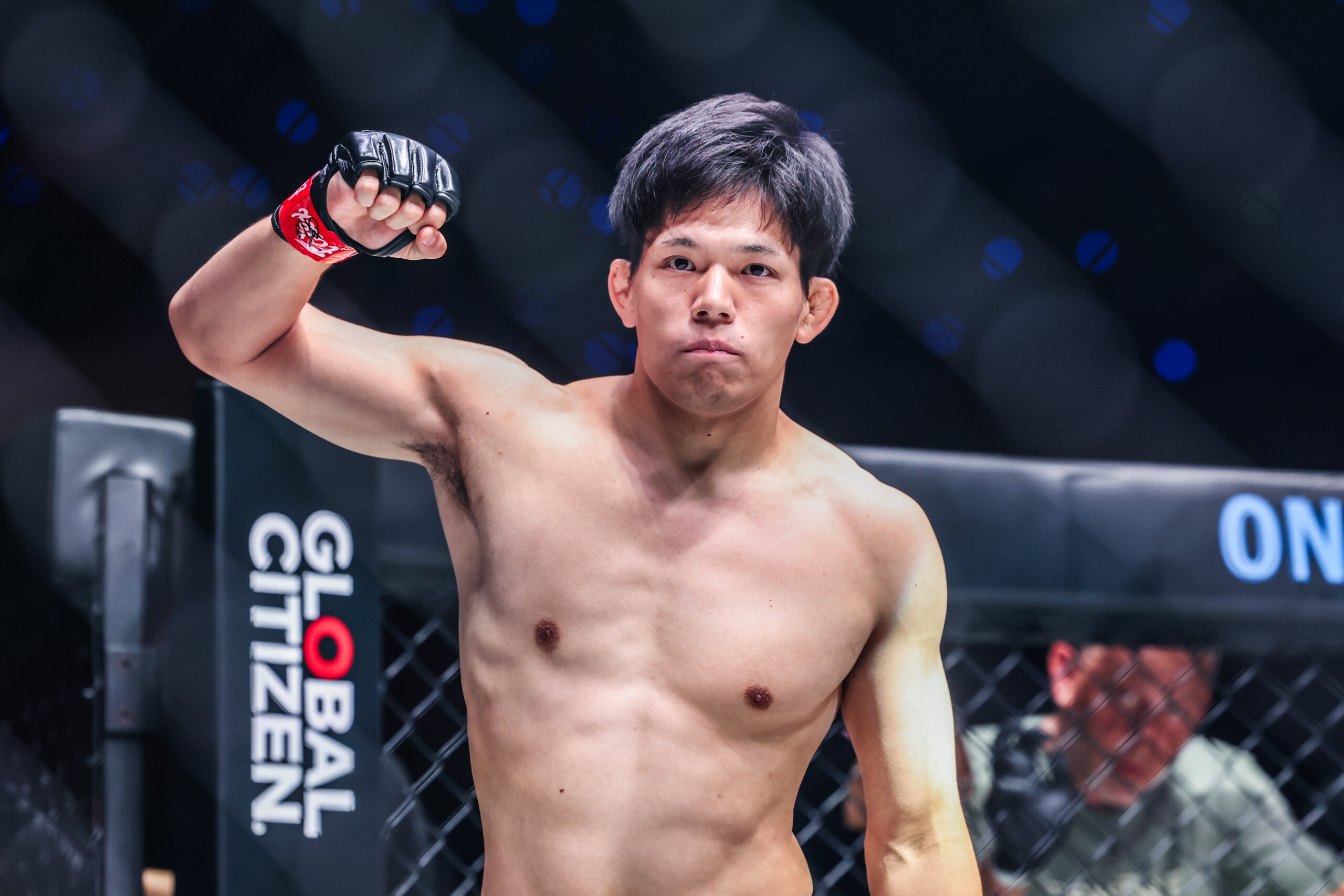
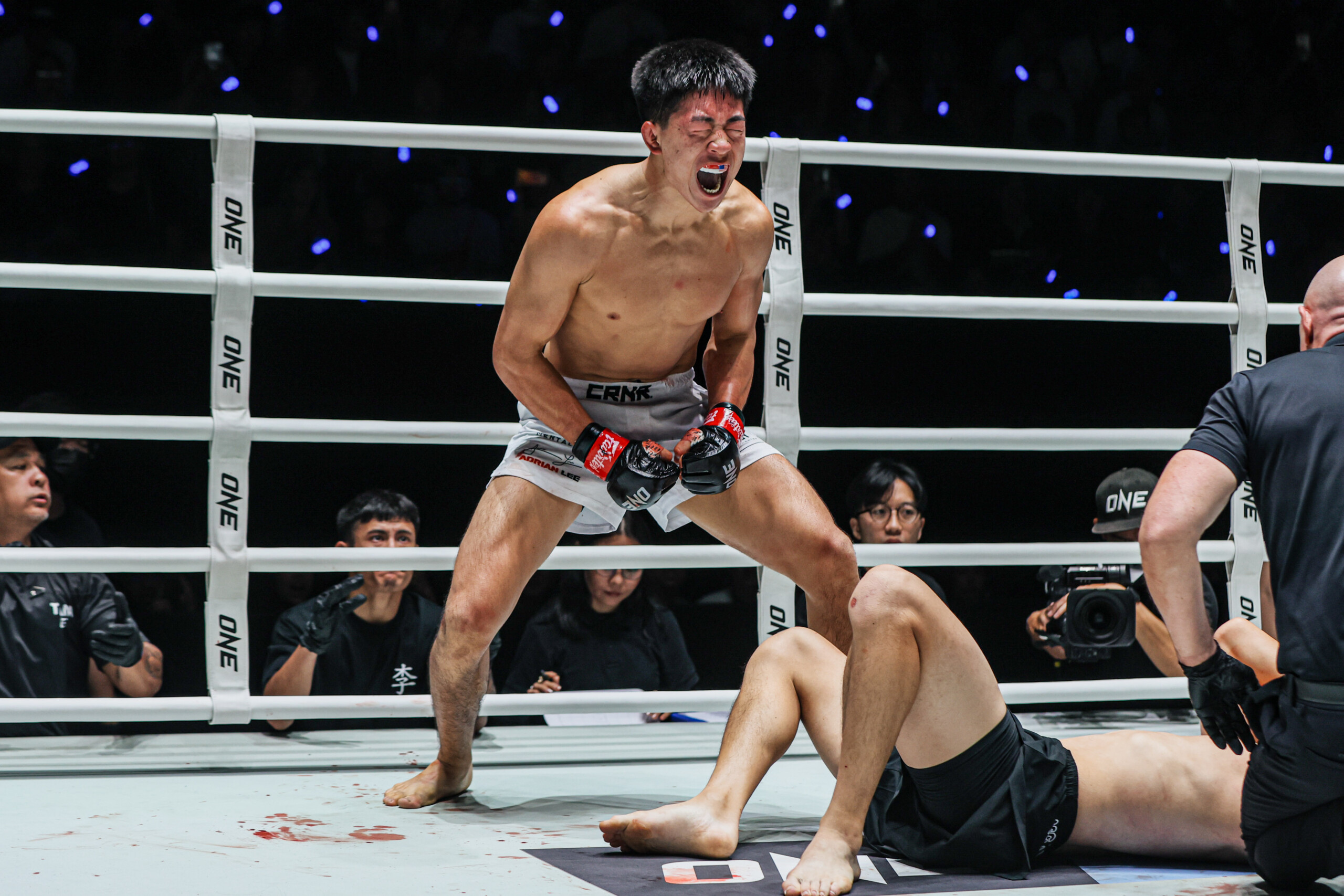
When Shozo Isojima walks into Bangkok, Thailand’s Lumpinee Stadium for ONE Fight Night 40: Buntan vs. Hemetsberger II on Friday, February 13, to face “The Phenom” Adrian Lee, he’ll carry with him more than just technical skills honed through years of judo and MMA training.
The 28-year-old Japanese lightweight brings the resilience forged in rural Japan, the gratitude born from family sacrifice, and the determination of someone who understands that success means more than just personal glory — it means giving back to those who gave everything when they had little to spare.
From the countryside of Mie Prefecture to the global stage of ONE Championship, Isojima’s journey reveals how adversity, family bonds, and chance encounters can shape a fighter’s path to greatness.
Growing Up In Rural Japan
Long before he stepped onto the global stage, Isojima was simply a kid growing up in one of Japan’s most rural regions, where life moved at a different pace and opportunities felt worlds away from the bright lights of Tokyo or Osaka.
Isojima said:
“I’m from Mie Prefecture in Japan, which is really, really rural. Born and raised, I’ve spent my entire life in Mie Prefecture. It’s very much the countryside.”
Mie Prefecture, located in the Kansai region of Japan, provided the backdrop for Isojima’s entire childhood and adolescence. It’s a place known more for its natural beauty and traditional way of life than for producing world-class martial artists.
The countryside environment shaped his early years, creating a foundation far removed from the urban gyms where many Japanese MMA stars develop their skills.
A Family Shaped By Absence
Not every family looks the same, and for Isojima, the absence of his mother defined much of his childhood experience.
His parents divorced when he was very young — so young that he has no memory of her face, no recollection of what a traditional two-parent household might have felt like.
He remembered:
“I had my father and my grandmother watched over me from when I was small. I have gratitude toward them, so I don’t think I turned out weird or anything.
What could have been a story of abandonment became instead a testament to the power of family bonds that transcend conventional structures.
His older siblings also played crucial roles in his development. While his brother, five years his senior, maintained some distance due to their age gap, his sister became a vital presence in his daily life.
He said:
“My sister really took care of me. When my father wasn’t home much, she’d make meals for me, and when I was doing judo, she’d drive me to school. She really helped me a lot.”
When Times Got Hard
Middle school represents challenging years for most teenagers, but for Isojima, those years brought an additional layer of difficulty that tested his family’s resilience in ways few adolescents experience.
His father’s decision to start his own construction company came during that time — a bold entrepreneurial move that initially brought financial uncertainty rather than stability.
Isojima said:
“At that time we were quite poor. For about the first year after the company was established, there wasn’t much work, so I was worried if the family would be okay.”
For a young teenager, watching his family struggle created worry that extended beyond typical adolescent concerns. Questions about whether the gamble of starting the business would pay off, and what might happen if it didn’t all weighed heavily on his mind during those formative years.
Yet even during the most difficult period, his father found ways to ensure Isojima could continue pursuing the life he desired:
“Somehow my father helped me through everything. I was able to continue judo at that time, and he sent me to high school and university.”
Following His Brother’s Path
Isojima’s entry into martial arts didn’t come from early childhood dreams of becoming a fighter or from watching legendary champions on television. Instead, it came from a simple middle school requirement and the example set by his older brother.
At 13 years old, entering his first year of middle school in Japan’s educational system, Isojima faced the standard requirement to choose a club activity.
He said:
“My brother had done judo, so I started following that path. I did judo through university. After that, I was planning to continue judo through the Japan Overseas Cooperation Volunteers program, but that path became uncertain because of COVID, so I stopped temporarily and started working.”
The Gym Next Door
Sometimes the most significant changes in life come not from grand plans but from simple coincidence. For Isojima, the transition from judo competitor to MMA fighter happened because he moved to a new place and noticed a gym nearby.
There was no dramatic calling, no lifelong dream of fighting pushing him through the doors. It was proximity and opportunity converging at the right moment in his life. He walked into that nearby gym almost on a whim, and that casual decision changed his entire trajectory.
He said:
“I really just started by chance from there.”
The Next Chapter
As Isojima prepares to face Adrian Lee on February 13, he carries the determination to prove that Japanese lightweights can compete with the world’s best.
From rural Mie Prefecture to the global stage, his journey reminds us that fighters come from unexpected places, shaped by family sacrifice and guided by gratitude that transforms hardship into hunger for greatness.
Now he wants to repay those who helped him get to this moment, and it’s one of the biggest factors pushing him toward a victory at ONE Fight Night 40.
Isojima concluded:
“Since joining ONE and getting the $50,000 bonus, my income has really increased. Being able to do things for my family makes me happy, and it’s definitely a big motivation.”