From Spartan Training To Heavyweight Dreams – How Ryugo Takeuchi’s Relentless Childhood Forged A Japanese Knockout Artist
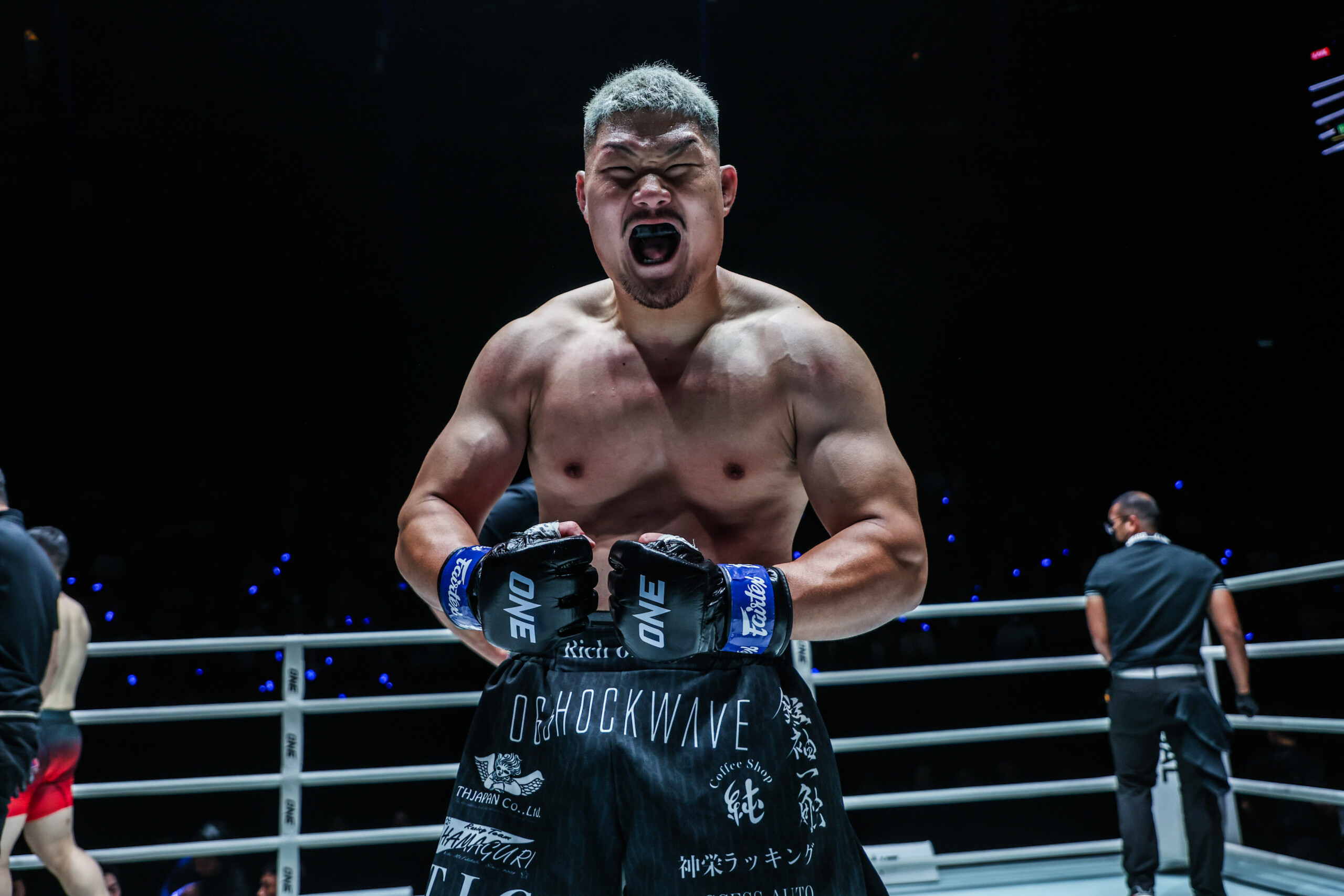
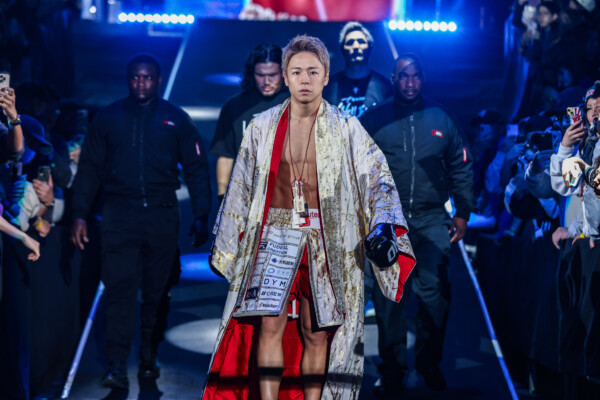
When Ryugo Takeuchi walks out to “Champion Road” by Japanese rap group Bad Hop and continues his opening act in ONE Championship, he’s bringing with him a journey filled with sacrifice, dedication, and the kind of discipline that transforms ordinary children into extraordinary athletes.
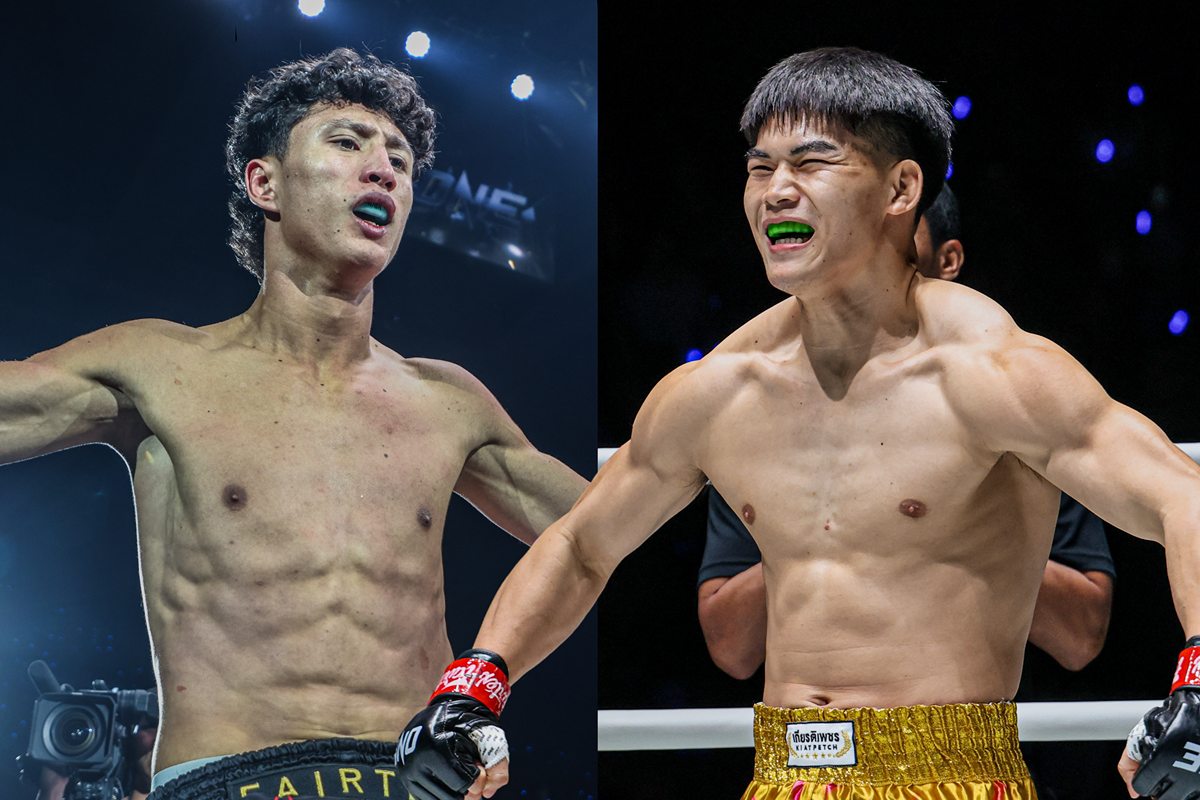
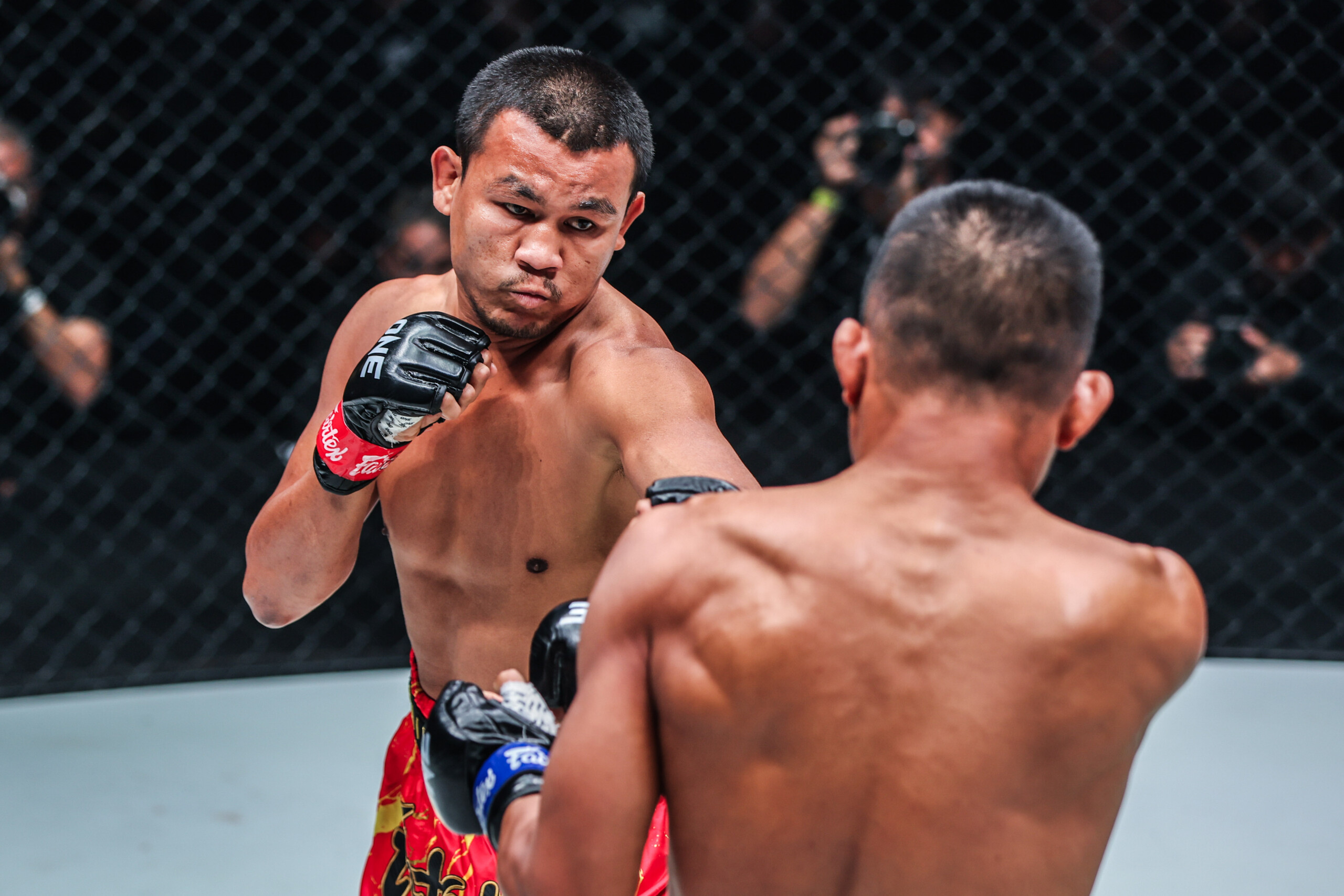
As the 22-year-old Japanese knockout artist prepares to face Ben Tynan in a heavyweight MMA clash at ONE Fight Night 40: Buntan vs. Hemetsberger II on Friday, February 13, at Bangkok’s Lumpinee Stadium, his story reveals how childhood experiences shape the fighters who step into the ONE ring.
The path from Kobe City to ONE Championship was built on foundations few could imagine, defined by family sacrifice and a relentless pursuit of excellence.
Growing Up In Kobe
Born and raised in Kobe City, Hyogo Prefecture, Takeuchi experienced childhood in a household where hard work wasn’t optional – it was survival. His parents both worked demanding jobs just to keep the family afloat, with his father driving trucks and his mother juggling multiple part-time positions to make ends meet.
Despite financial struggles, his parents prioritized his development. From early on, they ensured Takeuchi could participate in martial arts as extracurricular activities, sacrificing personal comforts to invest in his future. The foundation they built through those early martial arts experiences would prove invaluable years later.
Takeuchi said:
“Well, both of my parents worked. It wasn’t a wealthy household. Actually, I’d say it was more on the less-privileged side. But even though we weren’t well-off economically, from elementary school they made sure I could do things like judo and wrestling. That experience with judo and wrestling from my childhood really helps me today.”
Finding Judo
The journey into competitive martial arts began in first grade when Takeuchi started judo just for fun.
The initial goal was simple. He was supposed to learn discipline and proper manners through structured training. It wasn’t about championships or professional fighting careers. It was about building character — until his first competition.
“In first grade of elementary school, I wasn’t doing any extracurricular activities. My father said I had to learn something, and he thought judo would teach me discipline. But at my first tournament, I lost.”
That first defeat changed everything. Losing that early match became a turning point that transformed judo from casual activity into serious pursuit. What started as character-building suddenly carried weight and consequences that extended far beyond the mat.
The experience taught Takeuchi early that competition demands dedication, that losses carry lessons, and that martial arts requires commitment beyond showing up for practice. From that first defeat forward, his relationship with judo evolved into something far more intense than originally intended.
The Training Intensifies
Elementary school for most children means homework, playtime, and maybe one or two extracurricular activities weekly. For Takeuchi, it meant something completely different – a training schedule so intense it seemed mathematically impossible.
The regimen was exhausting, demanding, and transformative. It built not just technical skills but mental toughness that would define his fighting career. Those countless hours on the mat, running stairs, and pushing through fatigue created the foundation for the knockout artist he’d become.
Takeuchi said:
“In elementary school, I had judo practice 14 times a week. You might wonder how that’s possible with only seven days in a week. It’s because, for example, after elementary school ended, I’d go to these stairs near my house that had about 100 steps, and I’d run up and down them 10 times.
“But that didn’t even count as practice. After doing that 10 times, I’d go home, and then I’d go to the nearby middle school’s judo club practice. After that middle school practice ended, I’d go to my own elementary school club practice. I did this every day, so I was practicing 14 times a week. It was incredibly tough.”
The Spartan Approach
But that intense training schedule didn’t emerge from Takeuchi’s own initiative as a young child. It was driven by parental expectations that produced undeniable results in his development as a martial artist.
After that first tournament loss, everything changed at home. What began as simple discipline training transformed into serious competition with real consequences. Training sessions became opportunities for correction through methods most would consider harsh. Tears during practice became normal. Physical punishment for perceived failures became routine.
He said:
“My father’s switch flipped and I got beaten up. From that point on, a hellish practice-filled life began. I was always practicing while crying, getting hit and beaten around by my father. He’s super Spartan. When I lost that match, the hard days began.”
The MMA Transition
By university, Takeuchi had achieved significant judo success, earning a scholarship and continuing the sport that had defined his childhood. But throughout high school and into university, a different dream had been growing – mixed martial arts called to him in ways judo never could.
The desire to transition became impossible to ignore. In his second university year, Takeuchi made the life-changing decision to drop out and pursue MMA full-time. It meant abandoning the judo scholarship and the traditional path his years of training had created.
“I went to university on a judo scholarship and continued until then. In my second year of university, I’d been thinking since high school that I wanted to do mixed martial arts instead of judo. By my second year of university, I couldn’t suppress that desire anymore. I happened to drop out of university at that time, so I transitioned from judo to MMA.”
The transition brought unexpected transformation. Despite coming from a pure grappling background, Takeuchi didn’t remain a wrestler in the ring. Under coach Konishi Masaki’s guidance, training exclusively one-on-one without other sparring partners, he absorbed a striker’s mentality.
In fact, his coach’s love of the stand-up game rubbed off completely, transforming the judoka into a knockout artist whose style bore little resemblance to his grappling roots.
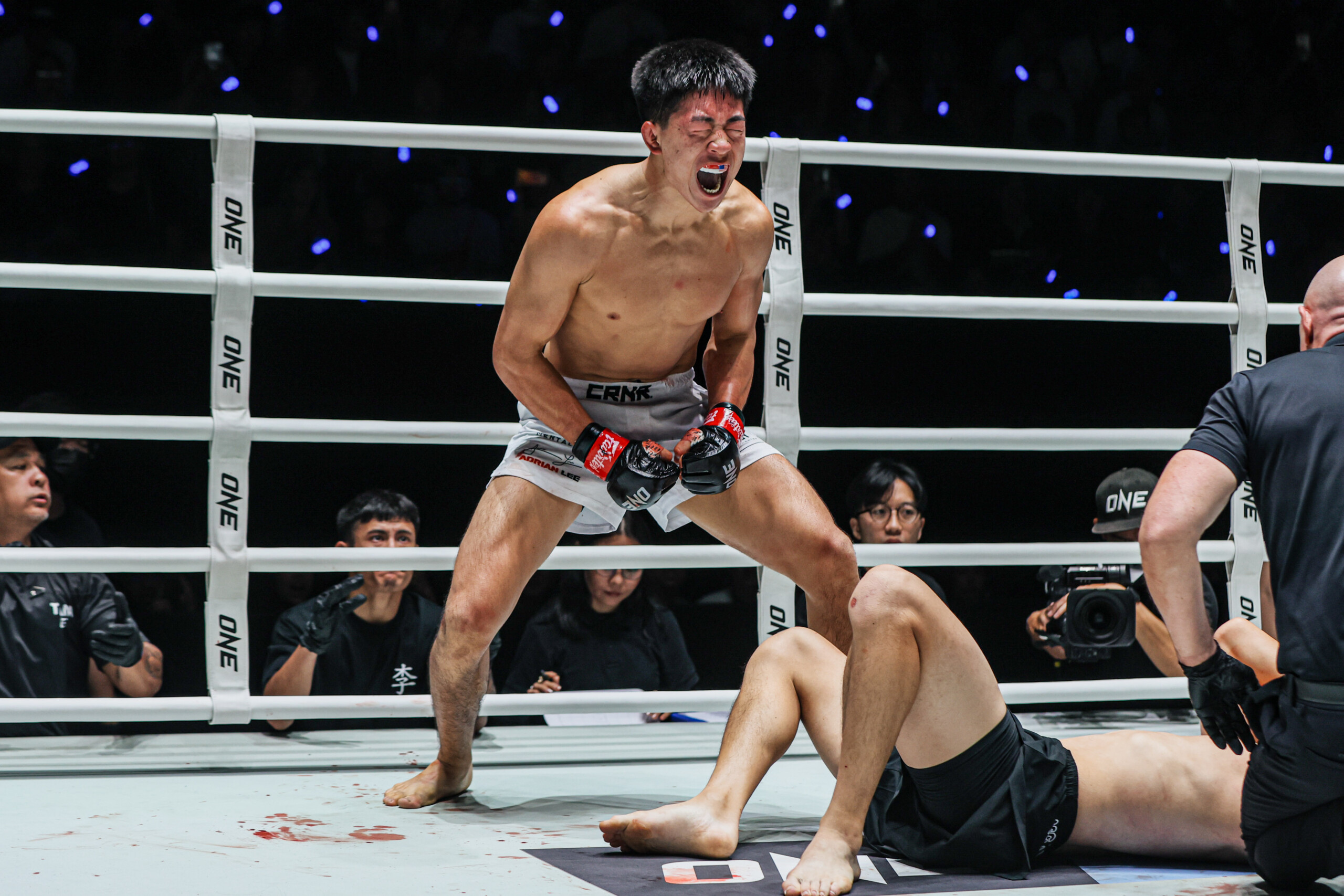
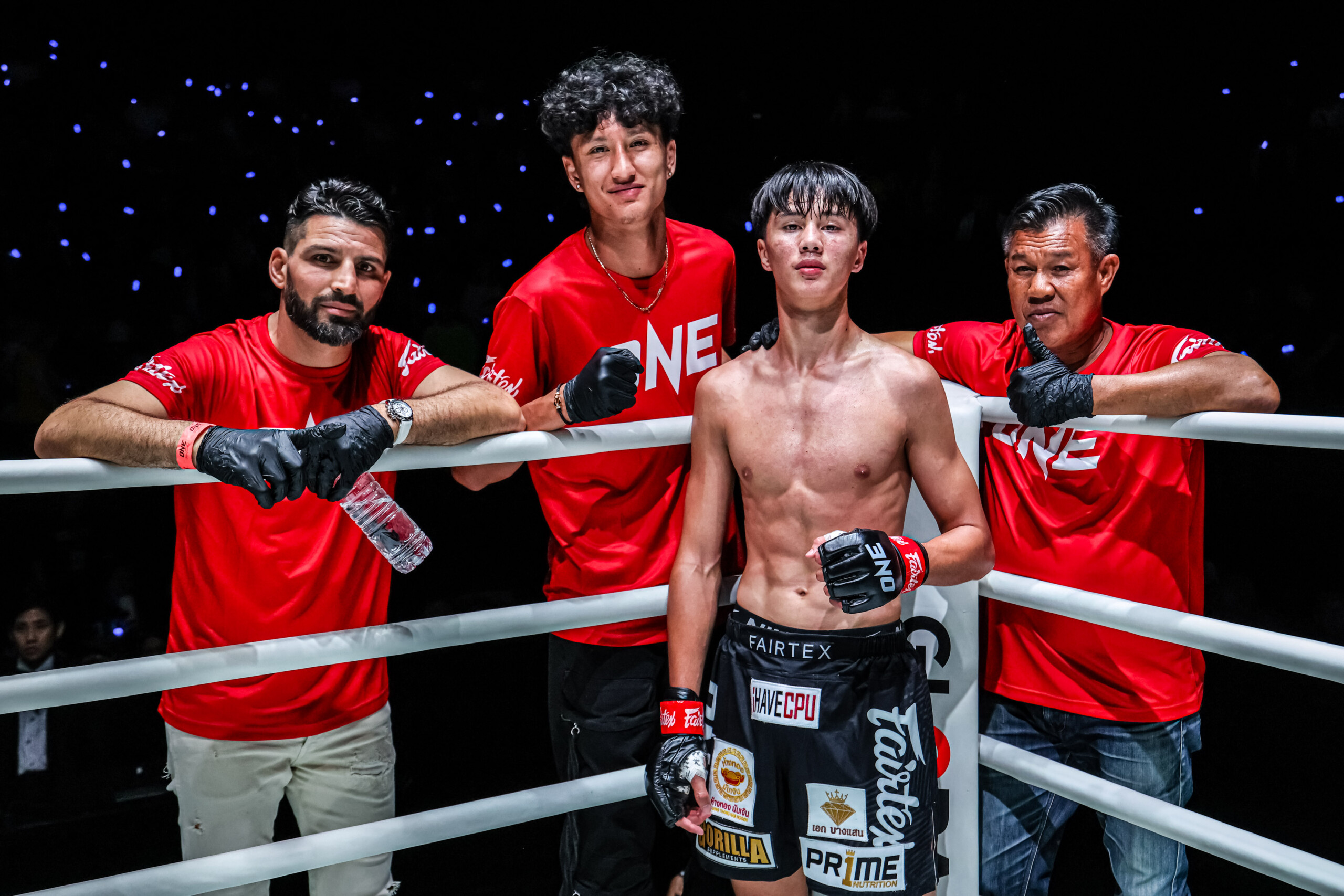
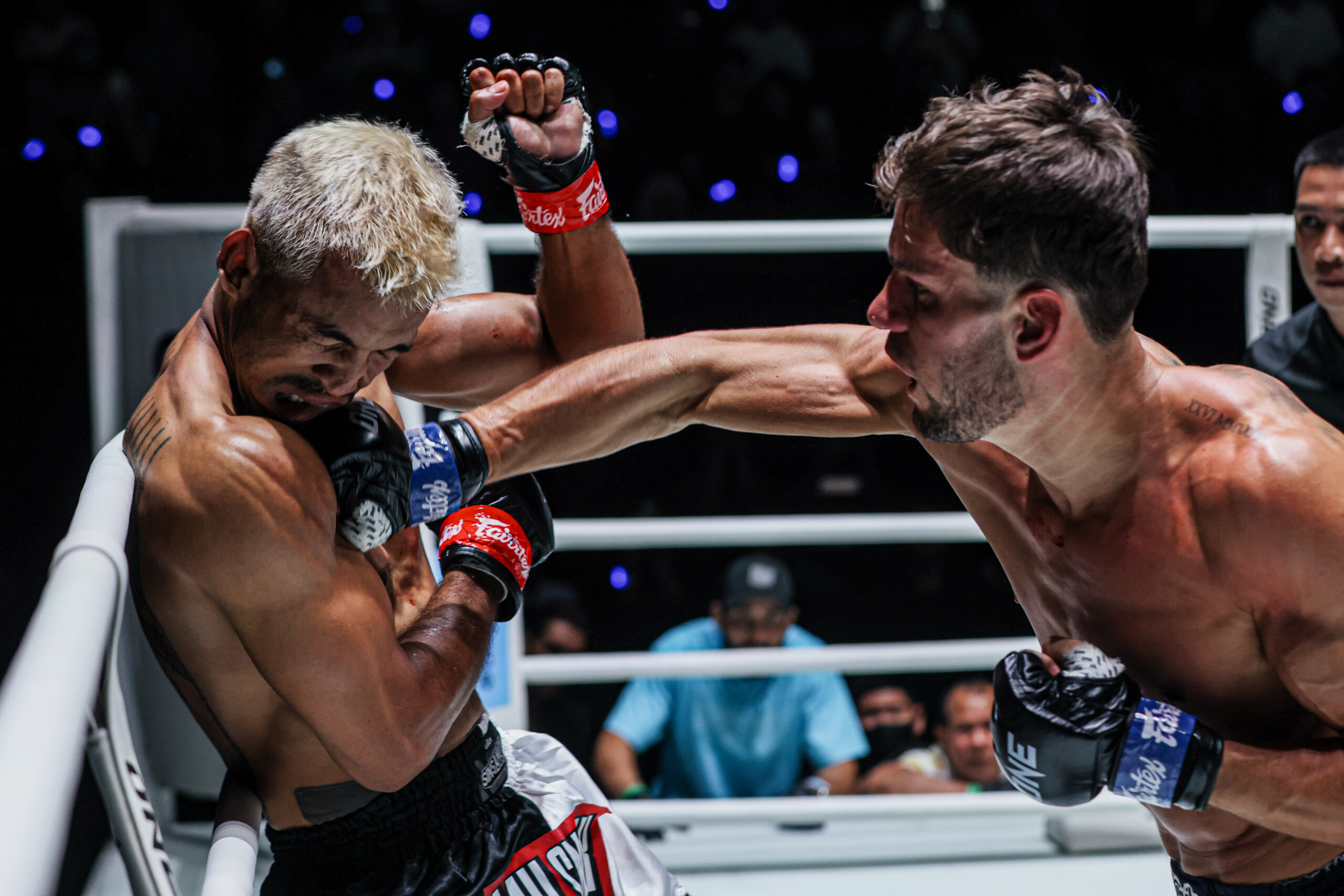
Fans saw that version of Takeuchi in his second promotional bout when he finished Kang Ji Won at ONE Fight Night 34: Eersel vs. Jarvis in the first round.
The Billionaire Dream
Takeuchi doesn’t hide behind noble motivations or speak only about legacy and honor. His goal is refreshingly honest and unambiguous – he wants to become a billionaire, and ONE Championship represents his path to that dream.
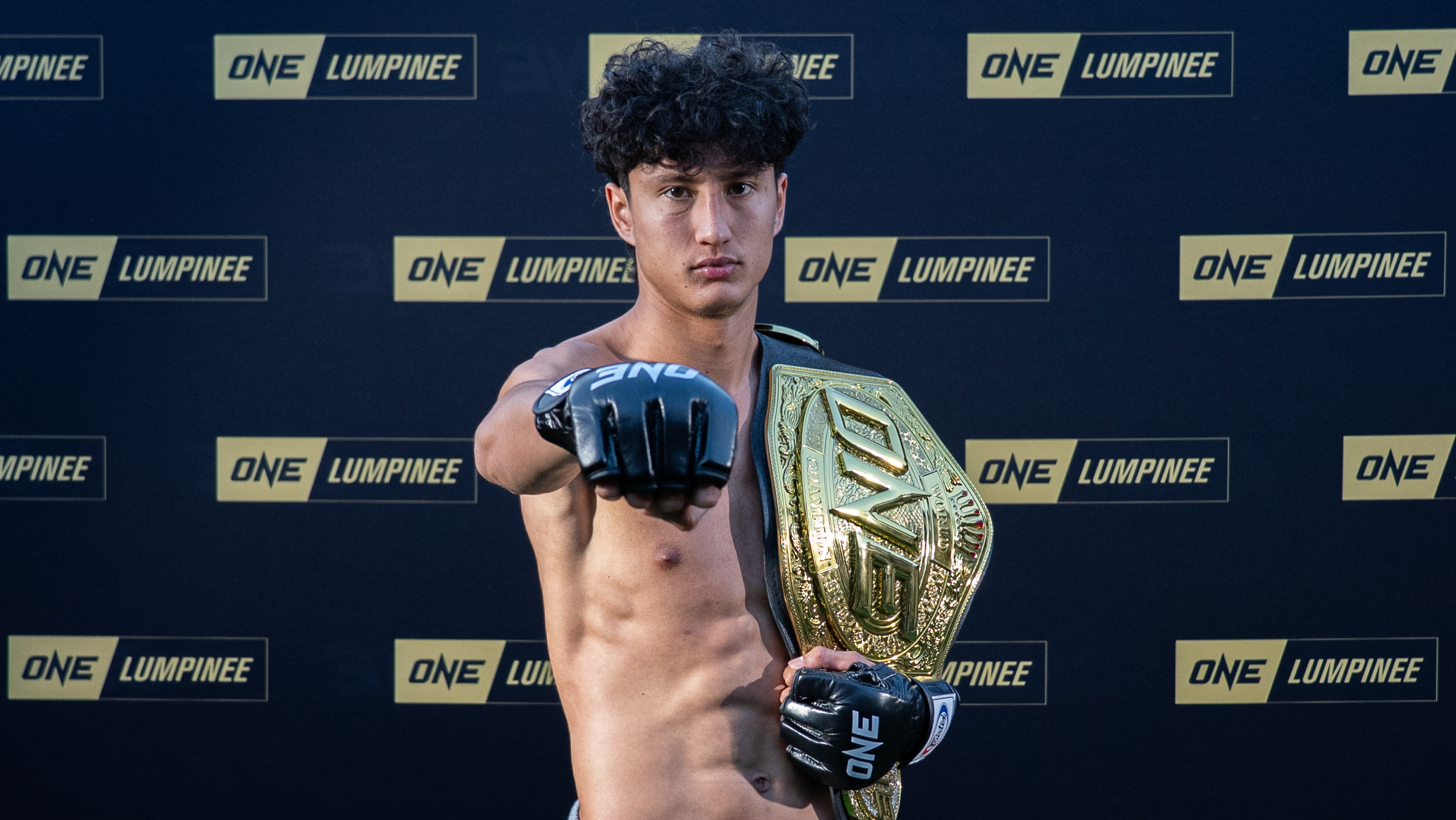
The strategy is clear in his mind. Establish himself as a legitimate heavyweight threat, capture ONE World Championship gold, and leverage that success to generate massive wealth. It’s an audacious goal, but for someone who survived the kind of childhood training most couldn’t imagine, no ambition seems too large.
Takeuchi said:
“My motivation is that my life goal is to become a billionaire. Through ONE Championship, I want to establish myself, become bigger, and make a ton of money. That’s a big motivation for me. Of course, to reach that goal of making money, I need to become champion and keep having more and more exciting fights. That’s the feeling.”