‘Driven By Curiosity’ – How Experimental Physics And Midnight BJJ Sessions Forged Kenta Iwamoto
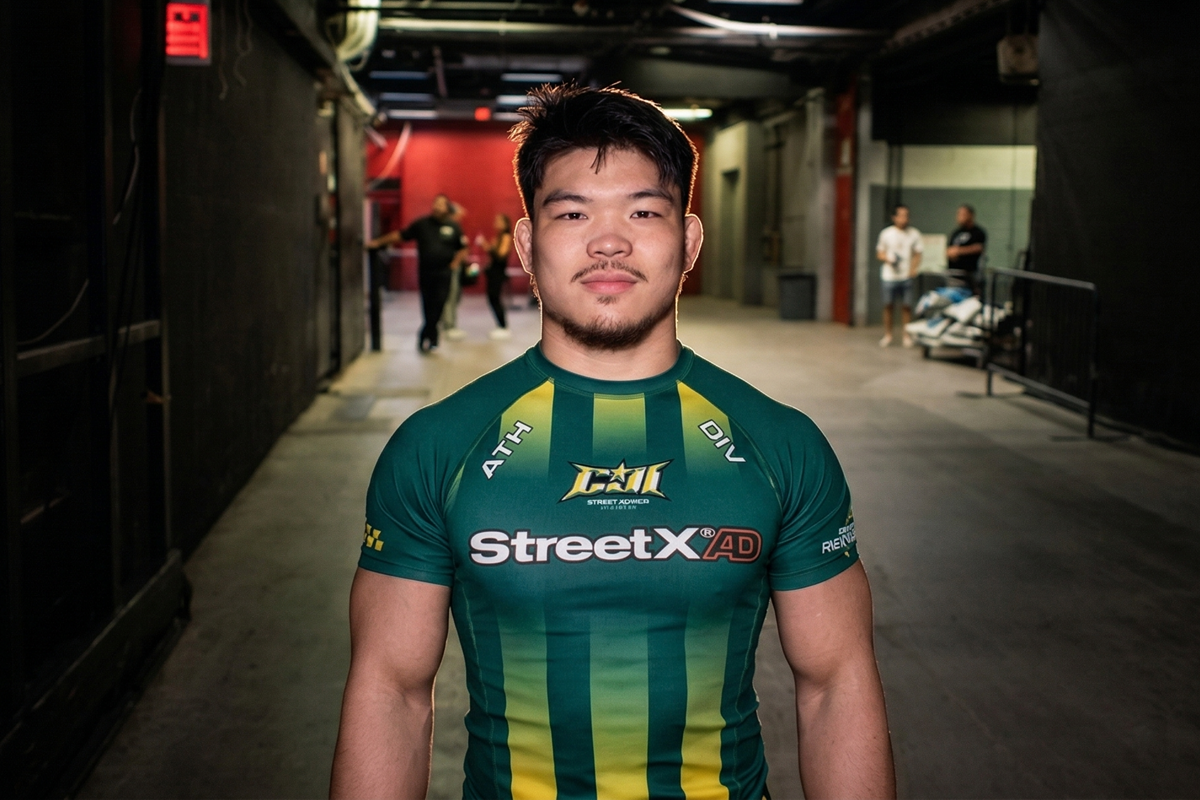
At first glance, the rigid academic world of experimental physics and the physical art of submission grappling share absolutely zero common ground. That is, of course, unless you are talking about Kenta Iwamoto.
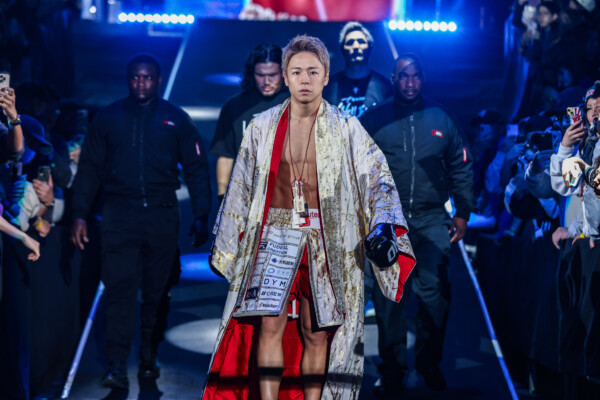
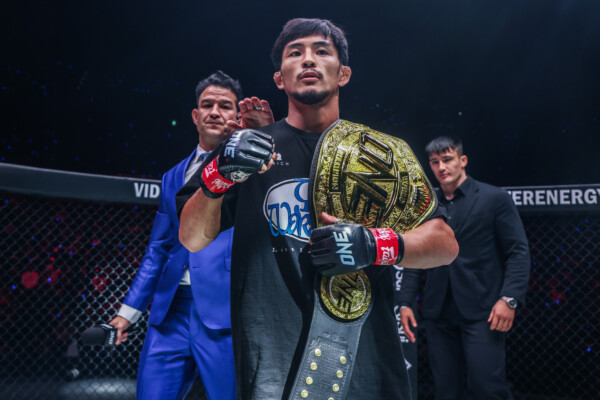
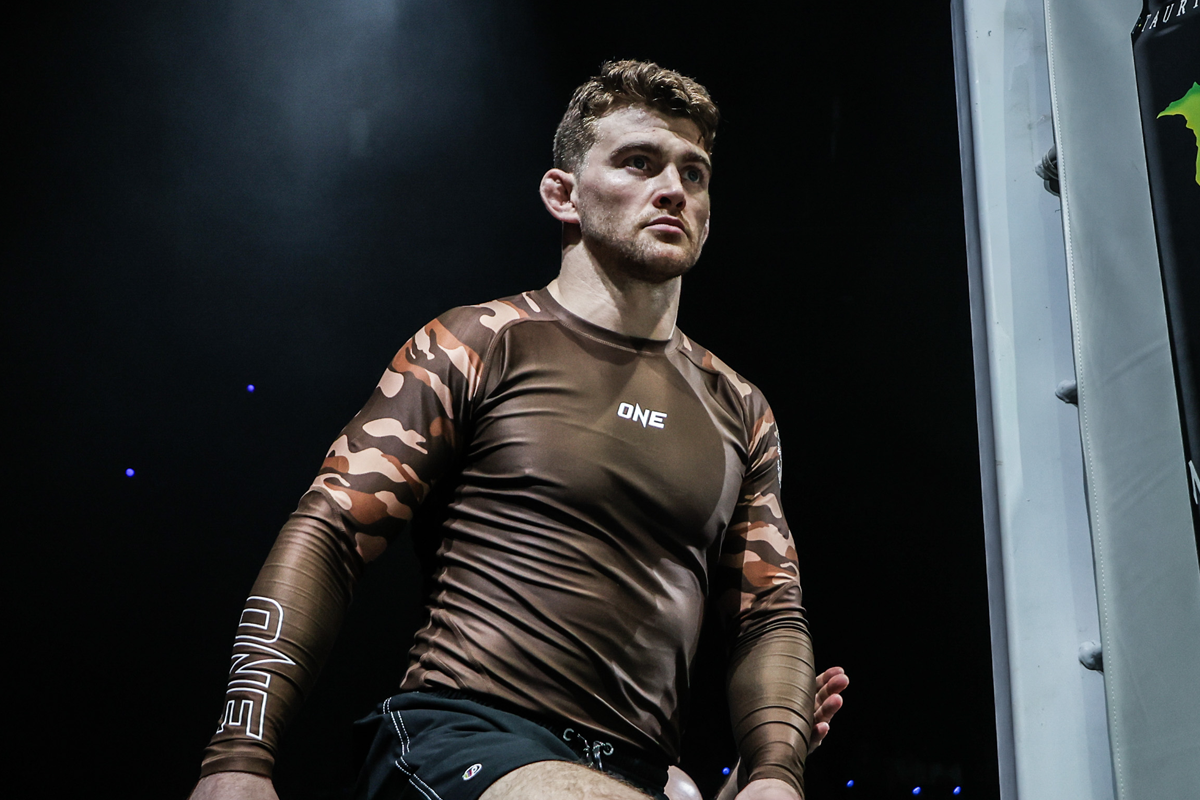
The 29-year-old Japanese sensation spent six grueling years dissecting one of the world’s most demanding academic disciplines at prestigious Waseda University, all while quietly evolving into one of the planet’s finest submission grapplers.
On Friday, April 10, that unique analytical mind will be fully unleashed on the global stage.
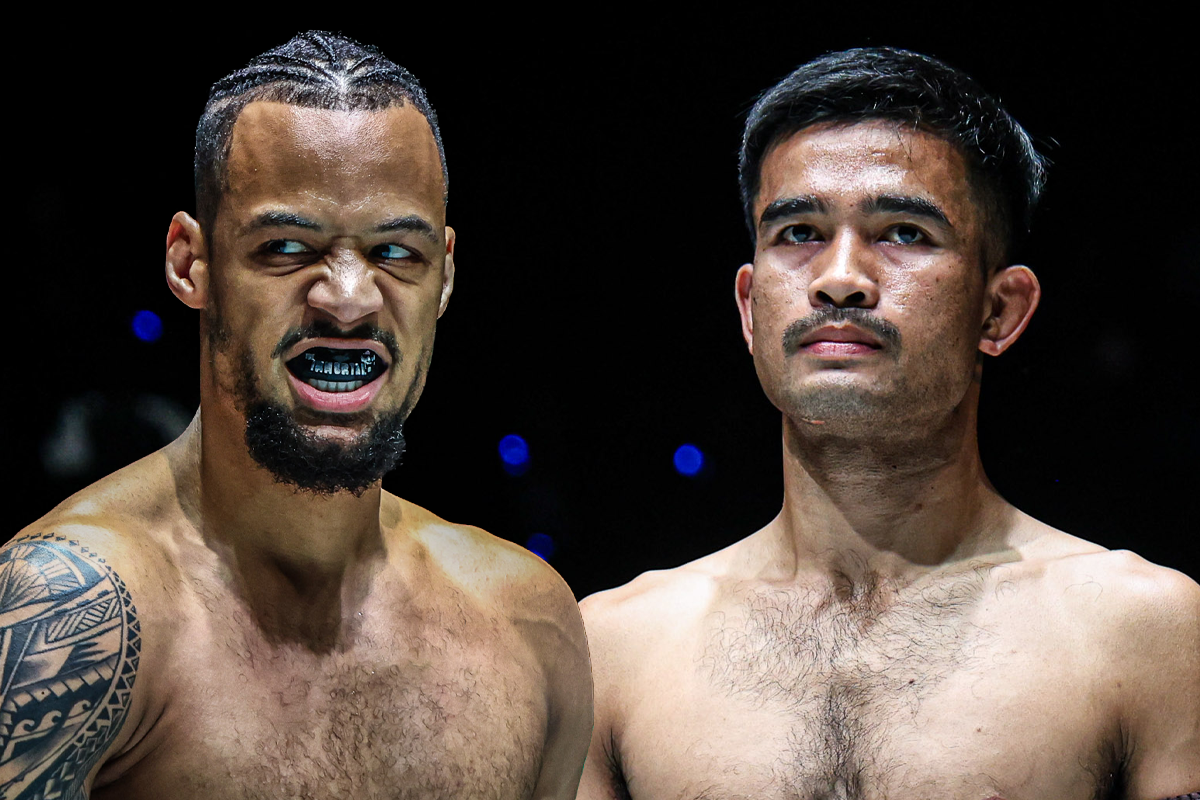
Iwamoto makes his highly anticipated ONE Championship debut against two-time IBJJF No-Gi World Champion Dante Leon in a welterweight submission grappling clash at ONE Fight Night 42 on Prime Video, broadcasting live in U.S. primetime from Bangkok’s iconic Lumpinee Stadium.
For the Japanese star, the psychological overlap between the laboratory and the mats never required forced translation. Both extreme pursuits pull on the exact same intellectual thread, driven by an insatiable need to understand exactly how complex systems work, to relentlessly ask questions, and to dig deeper when the obvious answers run dry.
Physics provided the framework — jiu-jitsu gave him the canvas to test his hypotheses:
“Physics is the most general knowledge you can acquire. The people who might actually try to pursue it are a small group, but the knowledge itself is about the world.
“So as a human being, it’s such a natural course to be able to study physics. Because you want to know what’s going on around you.”
That outright refusal to accept a surface-level understanding of anything is exactly what transformed Iwamoto into a grappling phenom. He obsesses over understanding every microscopic position, from every conceivable angle, and against every opposing style.
The exact same curiosity that initially drew him to experimental physics is the very reason he recently began eagerly adding Greco-Roman wrestling to his expanding arsenal.
He told onefc.com:
“In some aspects, everything for me is driven by curiosity. Physics, of course, but also grappling. I don’t want to just do one thing over and over. I want to explore other parts of grappling. I don’t just want to play guard. I want to also be good at guard. I want to explore passing.
“I recently started doing Greco-Roman [Wrestling], which is another aspect of grappling that actually helps me tremendously. There’s so many things that I still want to acquire as a skill. And being curious is one of the most important things.”
Running two incredibly demanding pursuits in parallel for six years inevitably forced a life-altering crossroads for the Japanese star.
Iwamoto had successfully produced a published academic paper and a highly prestigious degree. Jiu-jitsu, meanwhile, had delivered three massive ADCC regional titles and a rapidly expanding international profile.
Selecting one path meant entirely abandoning everything heavily invested in the other. He ultimately chose the mat, but it was an agonizingly complex decision.
Iwamoto reflected:
“When it was time to decide to go full-time with grappling versus a normal job, I decided to go with grappling full-time. So every time I competed, it was like I was at the edge of a cliff. It’s the same for all athletes. You risk all of your education. I did six years, and it was tough.
“But I put that all behind me to pursue this. It’s not complete yet, but I’m happy [with my decision]. You never know where you’re going as an athlete. But I’m ready for anything.”
Midnight Drills In The Park That Never Closes
While grappling ultimately won the war for his future, finding a reliable place to train after hours quickly presented the next massive challenge for Kenta Iwamoto.
Traditional gyms close their doors. Toyama Park, situated right next to Waseda’s sprawling campus, does not. In 2018, Iwamoto and his dedicated teammates began showing up long after dark — throwing mats down on the grass, meticulously drilling techniques studied from online tutorials, and running exhausting sessions until the city’s very last train provided a hard deadline.
The grueling schedule between physics classes and the park held together reliably. However, not every outdoor session went smoothly, and the reasons weren’t always what one might expect:
“[We used to train until late at night] because we really believed in drilling techniques. We watched online materials and tried them out [in the park]. You know, the gym, it closes. But the park never closes. It’s 24 hours. So we used to train until the last train.
“Windy days are the worst. Snowy days are fine. We used to train in the snow. On rainy days, we can just train under the trees. But on windy days, the mats would just fly off. That’s just the worst.”
These hardcore midnight sessions certainly did not go unnoticed. Patrolling security guards and local police officers arrived regularly, demanding the group leave the premises and occasionally making it abundantly clear they were serious. Relocating mid-session simply became part of the grueling routine, while confused neighbors frequently voiced their loud displeasure from nearby balconies.
Eventually, however, law enforcement simply stopped making the trip. A quiet, unspoken truce had formed in the dark.
To bewildered outsiders watching from the surrounding apartments, exactly what was happening on those rogue mats was anybody’s guess. According to Iwamoto, the local theories ranged from mildly curious to deeply unimpressed:
“I would set up my experiments [in the lab], then I would have like six hours of free time to train jiu-jitsu in the park. Then I would go back to check on my experiments. That was my daily schedule until I graduated.
“People used to think we did Pro Wrestling. There were people in the apartments that would come down and say, ‘What are you guys doing?’ and stuff. Eventually, with the police, they were so used to seeing us so frequently, they kind of stopped pursuing us.”
Then, gradually, other martial artists started showing up. Word had slowly spread through the underground combat sports scene, or perhaps the raw idea was simply too brilliant not to copy — a free, open-air public space, available around the clock, with absolutely no membership fees or restrictive closing times.
Iwamoto and his friends never set out with the grand intention of starting a cultural movement. They merely needed a place to drill. Yet, somewhere along that gritty journey, without anyone ever officially noticing, they had done exactly that.
The 29-year-old concluded:
“And since we started doing jiu-jitsu in the park, other martial arts styles like karate, or some random dance groups started doing their training in the park as well. It just became a thing – a training park.”