Built To Shred: Tye Ruotolo Revisits The Skateboarding Roots He’ll Never Leave Behind
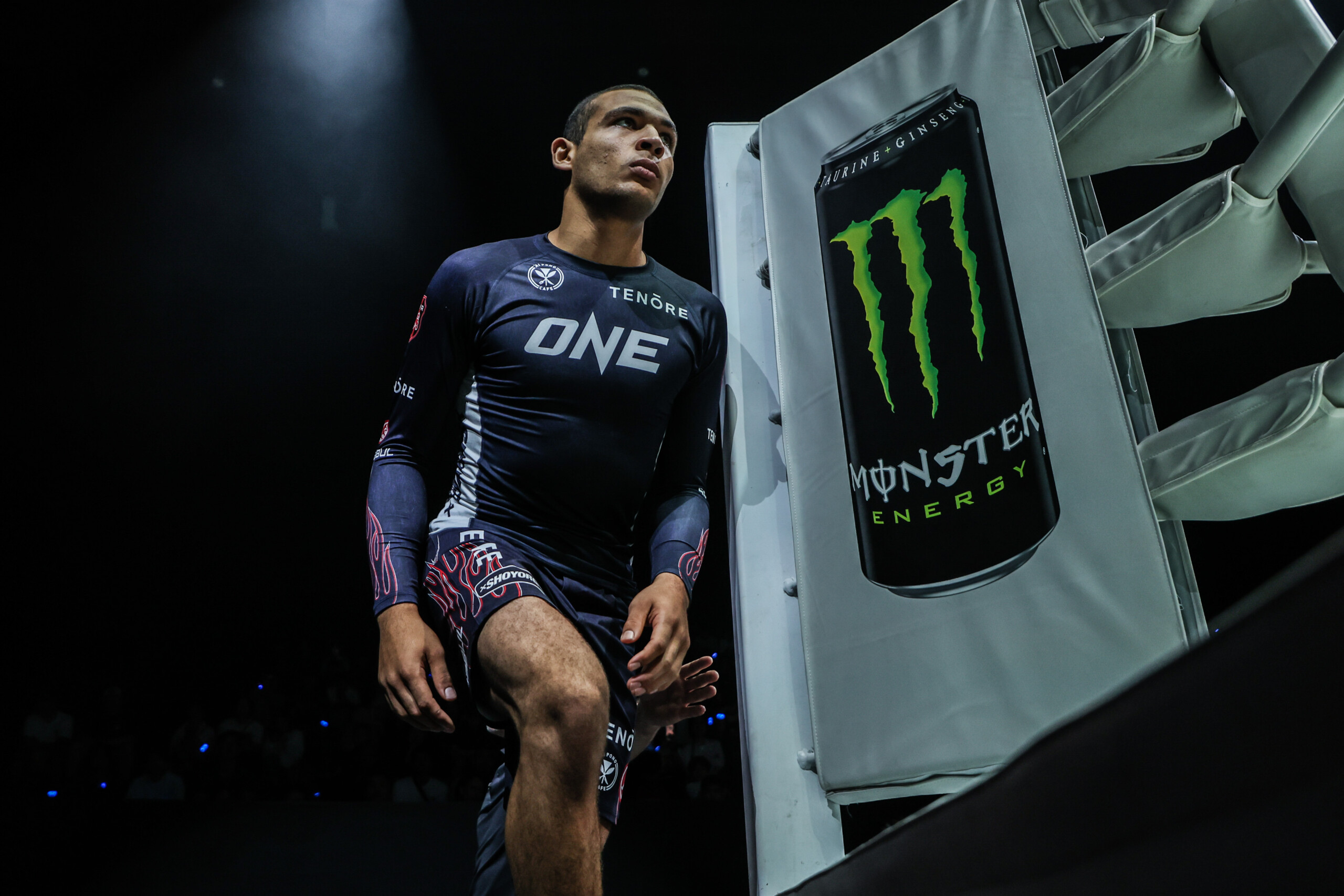
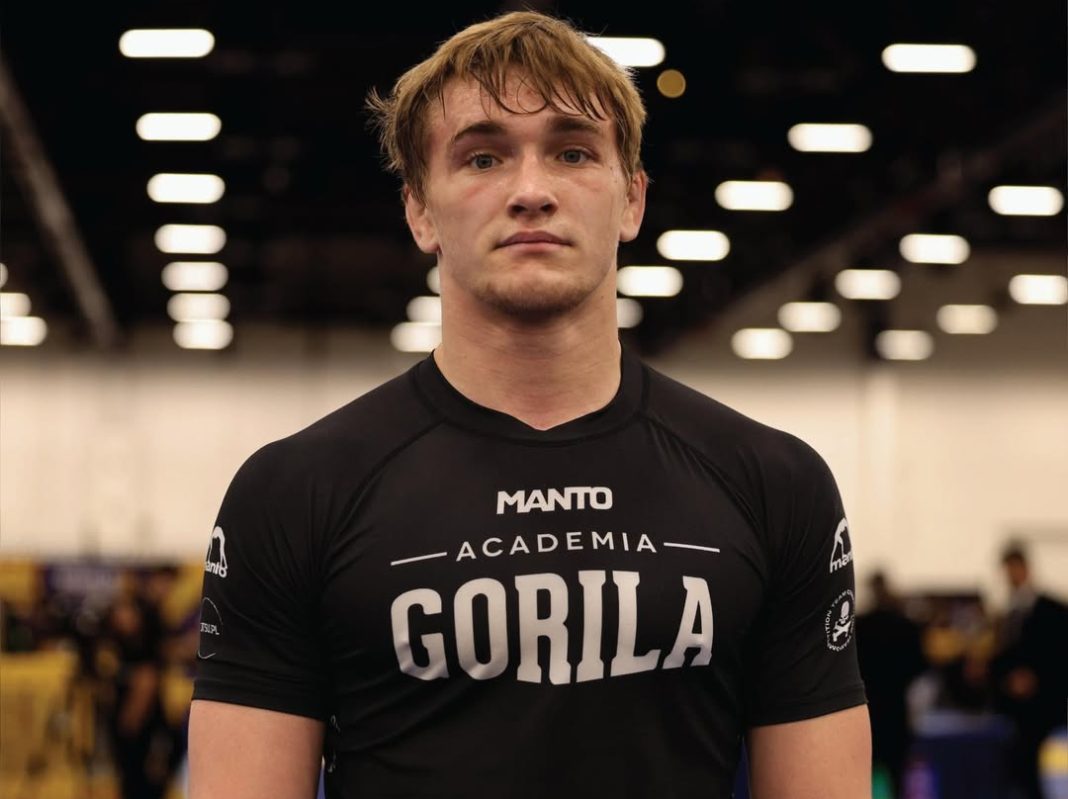
ONE Welterweight Submission Grappling World Champion Tye Ruotolo taps out opponents on the global stage, but when the American sensation is on a skateboard, he grinds rails, jumps over stairs, and launches himself out of bowls.
Growing up in Huntington Beach, California, Tye and twin brother, ONE Lightweight Submission Grappling World Champion Kade Ruotolo, were introduced to skateboarding almost as soon as they could walk.
Tye, who defends his welterweight crown against Pawel Jaworski at ONE Fight Night 41 on Prime Video, live in U.S. primetime on Friday, March 13, could often be seen with elbow pads, knee pads, and a helmet at the local skate park with his brother right beside him.
The Ruotolo brothers’ parents had introduced them to skating alongside surfing and Brazilian Jiu-Jitsu at a young age, all three sports woven into the fabric of daily life near the beach.
For young Tye, the lines between them blurred easily. When the waves weren’t up and they needed a break from the mats, the concrete was waiting.
The 23-year-old Southern California native recalled:
“We used to skate a lot more than we do now. We loved it. The best point of skating I ever got to, I was able to do some nice indie grabs out of the bowl – a couple of feet out of the bowl, above the lift. That felt awesome as a kid, being able to do that.”
The skateboarding lifestyle came with its own culture, and Tye absorbed it all.
For starters, he frequently played Tony Hawk’s Pro Skater, and his favorite characters from the classic video game were Nigel Beaverhausen and Bob Burnquist. Also, he immersed himself in the raw energy of the local scene and, with his brother, rolled up to the skate park to perform tricks with their friends.
This wasn’t just a hobby for the twins. According to Tye, it was a way of life and how they understood freedom:
“Bob Burnquist was always one of my favorites. And I always loved watching Nigel go crazy [in the game]. But aside from those two, I loved all the local skaters who would be around.
“It was just the vibe you get from being in a group skating, pushing yourself, doing a three-stair gap, doing a five-stair gap, or even getting hurt on a five-stair gap. Those are the memories you remember, for sure.”
Those memories come with scars, however.
One Christmas morning, Tye unwrapped a shiny new Tony Hawk skateboard and a big rail. He took both straight outside to a two-stair gap at his family’s apartment complex.
The plan was simple enough: perform a board slide, clean and smooth. What happened instead was practically why you shouldn’t walk before you crawl, or in this case, execute stunts before mastering the basics:
“I didn’t have the skill to do it, not even close. So, I just did my best. I jumped off the stairs, and I tried to ride the rail. I missed, I just went straight into the rail, and I knocked out my two front teeth.”
Stepping Away From The Board
The skateboard eventually gave way to the mat – not by choice, but by necessity.
Tye Ruotolo and his twin brother Kade were getting hurt too often on concrete, and Brazilian Jiu-Jitsu demanded too much from their bodies to keep risking it.
Skating, unlike surfing, offers no soft landing. Every fall is a negotiation with the ground, and the ground never loses.
He told onefc.com:
“We just had to slow down. We just started getting injured too much in the skating realm. It’s not like falling in the water, like with surfing. You’re falling on concrete pretty much every time, so it’s hard to do that and skate.”
That forced the brothers to invest even more time into another passion: the ocean.
Surfing became the Ruotolo brothers’ next major release valve – the thing that kept them sane when the pair of BJJ black belts started conquering one tournament after another.
They competed in surf tournaments, free from the weight of expectation that came with the mat. Tye still wears the 2017 CCSA Summer Series Surf Championship like a badge of honor:
“If Kade and I weren’t fighters, we’d want to be pro surfers. It’s always kept us balanced, and it’s always kept our minds at peace and fresh. When you’re out on the water, you’re not worried about anything except catching the next wave.”
The board isn’t totally retired, though.
Tye still occasionally grabs his skateboard, rolls, and feels the pull of a sport that shaped him before BJJ ever could. He watches fellow martial artists who still balance the two with genuine admiration, knowing firsthand what it takes to maintain that kind of recklessness alongside a professional fighting career.
Tye added:
“There are a lot of sick rippers who are still fighting these days, too. It’s crazy. To be able to do both of those together is insane. I can still hop on and do some stuff, but I’m not as gnarly as I was, for sure.”